
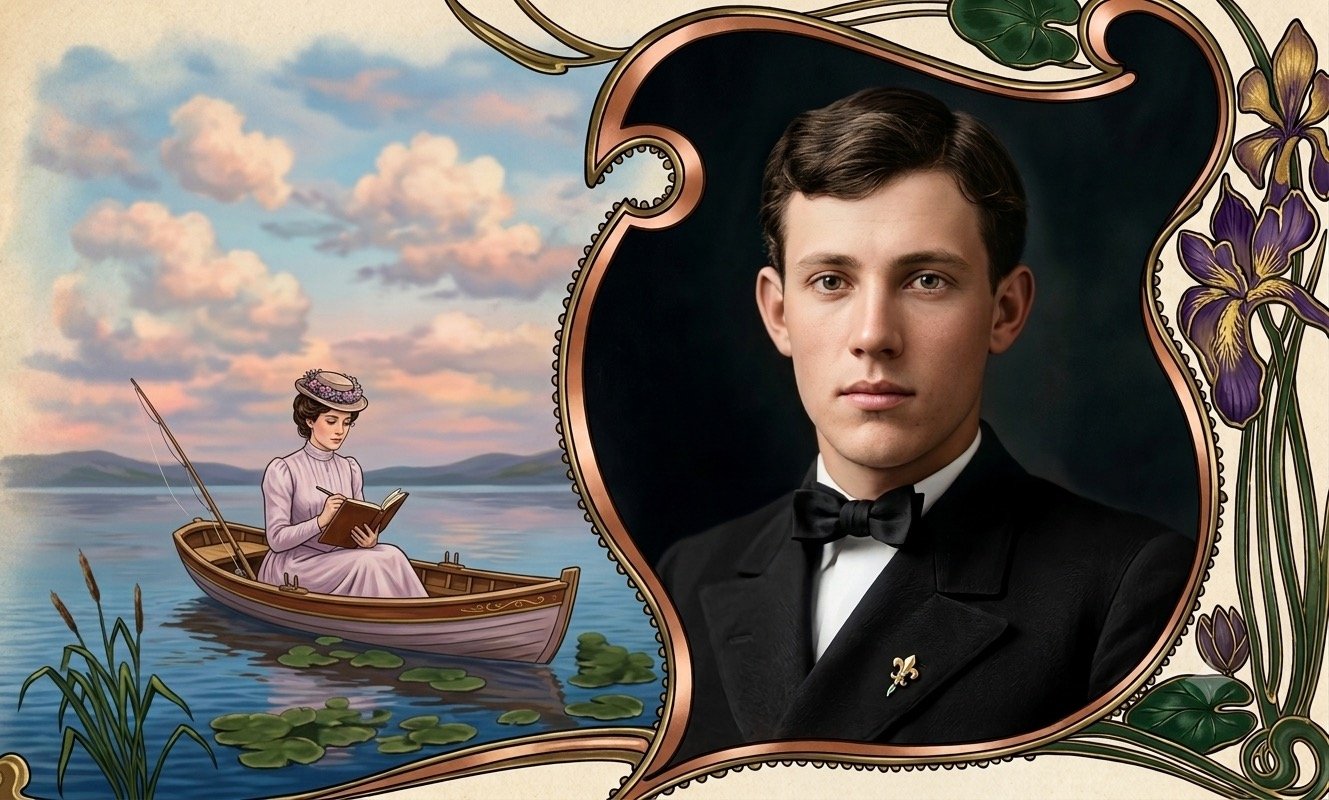
Kelly Harrell: The Voice of the New River Mill Towns
From Draper’s Valley and the Washington Mill in Fries, Virginia — one of the finest ballad singers of early country music, who recorded nearly forty songs without ever picking up an instrument.
Born
Draper’s Valley, Wythe County, Virginia (1889)
Instrument
Voice only — no instrument
Recordings
~37 songs (1925–1929), Victor & OKeh
Worked
Loom fixer, Washington Mill, Fries
Early Life in Draper’s Valley
Kelly Harrell was born in 1889 in Draper’s Valley, Wythe County, Virginia, a rural farming valley tucked along the New River just north of today’s New River Trail corridor. Like many men of his generation in that corner of Southwest Virginia, he eventually made his living in the textile mills that sprang up along the river.
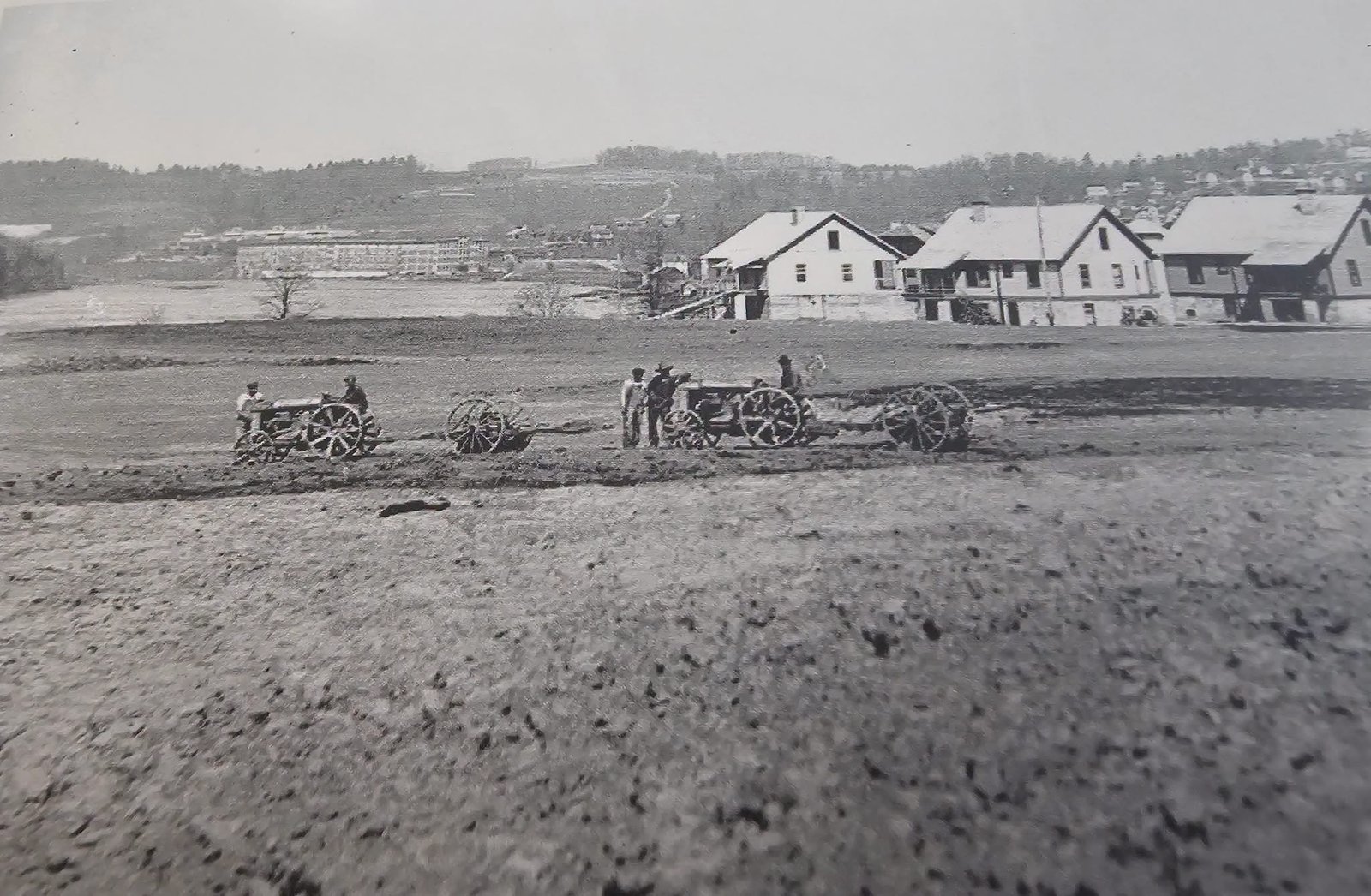
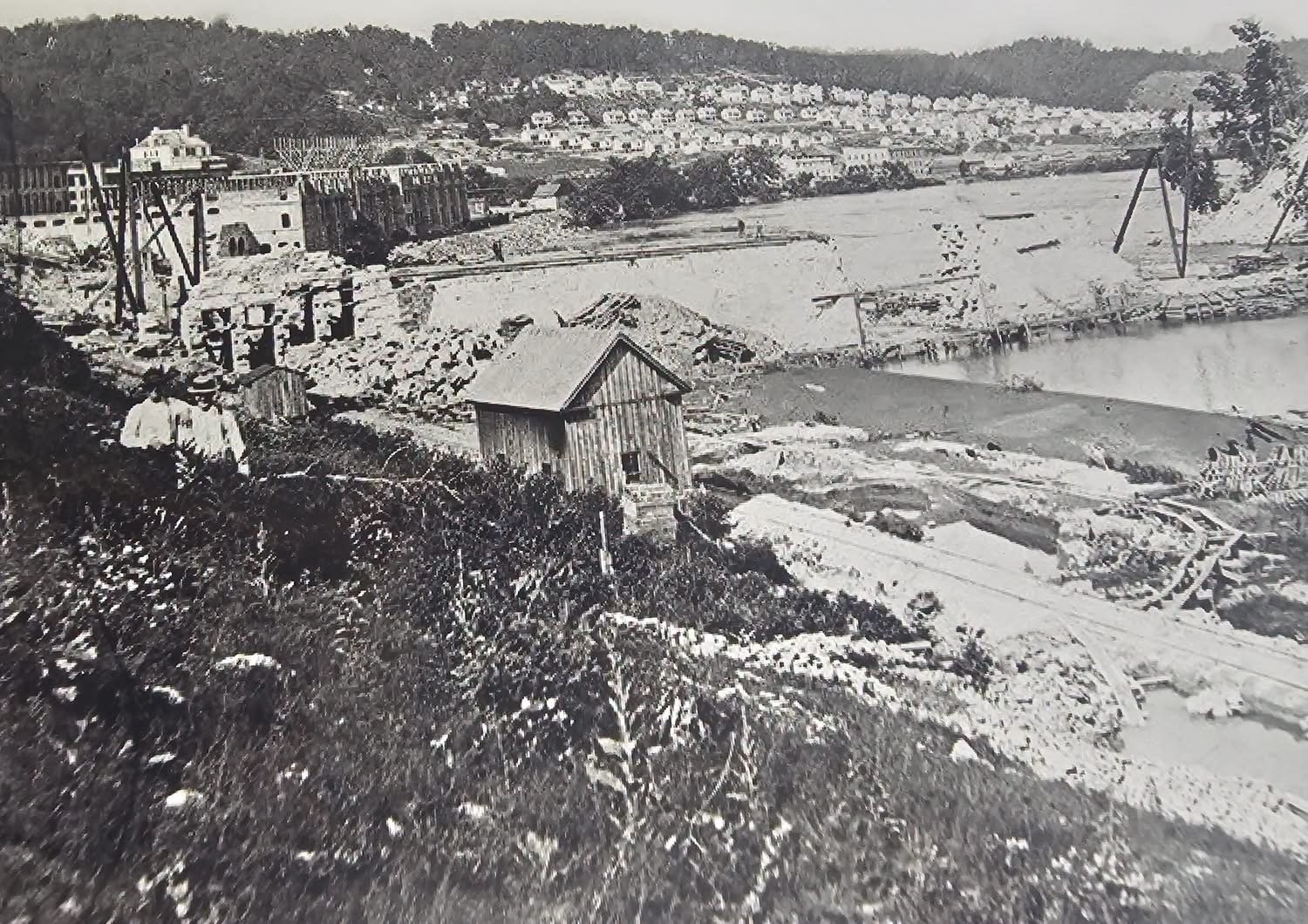
Harrell went to work at the Washington Mill in Fries, Virginia, where he was employed as a loom fixer. The Washington Mill was the economic heart of Fries — a company town built around the mill on the banks of the New River — and the same workplace that produced another pioneer of early country recording, Henry Whitter. The mill town’s mix of mountain-born workers, railroad access, and living musical tradition made Fries an unlikely but real cradle of early American country music.
Harrell carried the ballads and songs of the surrounding mountains with him into the mill, and when the chance came to record, it was that unadorned vocal tradition he carried into the studio.
A Remarkable Singer Without an Instrument
What set Kelly Harrell apart from nearly every other early country recording artist was simple and striking: he did not play an instrument. In a field dominated by fiddlers, banjo pickers, and guitar-strumming singers, Harrell relied entirely on his voice.
His singing was powerful, direct, and deeply rooted in the old Appalachian ballad style — the unaccompanied, narrative song tradition that had traveled with families into the mountains generations earlier. When he recorded, other musicians supplied the backing: fiddles, guitars, and string-band arrangements framed his vocals, but the center of every Kelly Harrell record was always the man and his voice.
That vocal focus gives his recordings a singular character. Without an instrument to fall back on, Harrell had to carry each song with phrasing, breath, and presence alone — and the records show a singer fully equal to the task.
A Recording Career, 1925–1929
Harrell’s recording career unfolded during the brief, explosive first boom of commercial “hillbilly” music. Between 1925 and 1929 he recorded approximately 37 songs for two of the era’s most important labels, Victor Records and OKeh Records.
This was the same window that produced the Bristol Sessions of 1927, when producer Ralph Peer set up a temporary studio in nearby Bristol, Tennessee/Virginia and recorded The Carter Family and Jimmie Rodgers. Harrell’s sessions, spread across several years and labels, belong to the same regional outpouring that first carried Southwest Virginia’s music to a national audience.
He worked with a rotating circle of regional players — Posey Rorer, Alfred Steagall, R.D. Hundley, and the Virginia String Band — who traveled with him to the recording sessions and provided the instrumental backing his voice required.

Songs That Endured
Kelly Harrell’s recordings range from train songs and ballads to comic and sentimental numbers — a cross-section of the repertoire carried through the Southwest Virginia mountains.
A Gifted Songwriter
Harrell was not only a singer of old ballads — he was also a songwriter, and his originals reached well beyond his own recordings. Jimmie Rodgers, the “Father of Country Music” whose own career began at the 1927 Bristol Sessions, recorded Harrell’s song “Away Out on the Mountain.”
Ernest “Pop” Stoneman, the pioneering Carroll County recording artist, recorded Harrell’s “The Story of the Mighty Mississippi.” That two of the era’s most prominent recording artists chose to record Harrell’s songs is a measure of the respect he earned as a writer, not only as a singer.
His dual role — keeper of traditional ballads and writer of new ones — places him squarely inside the living tradition of Appalachian music, where old songs were preserved and new songs were made from the same materials.
Connection to Fries and the New River
Kelly Harrell’s life is inseparable from Fries, Virginia. He worked inside the Washington Mill that built the town, alongside the same workforce that included Henry Whitter, whose 1923 recordings had helped prove there was a national market for mountain music.
Fries sits at the southern end of the New River Trail, the 57-mile rail trail that follows the former Norfolk & Western Railway branch line along the New River. That same railroad and river are celebrated in the old song “New River Train” — one of the songs Harrell himself recorded.
Visitors who cycle or hike the trail out of Fries pass through the very landscape that shaped Harrell’s singing: the mill, the river, the railroad, and the mountains rising on either side. The connection between the trail and the music is not metaphorical — it is the same river and the same rails.
A Lasting Legacy
Kelly Harrell died in 1942, but his voice carried forward in ways he could not have anticipated. His recording of “My Name Is John Johannah” was selected by Harry Smith for the landmark Anthology of American Folk Music, the 1952 collection of 1920s commercial recordings that became a foundational text of the 1950s and 1960s folk revival.
Through that anthology, Harrell’s singing reached a new generation of listeners and musicians who helped shape modern folk and country music. A mill worker who never played an instrument became, decades after his death, one of the voices through which America rediscovered its own traditional music.
His story also remains a reminder of how much of early country music came out of ordinary working lives in Southwest Virginia — from mill looms, railroad towns, and mountain valleys along the New River. Read more about that broader story on the Old-Time Music in Southwest Virginia page.
Musicians He Recorded With
Because Harrell did not play an instrument, his records depended on the regional musicians who accompanied him in the studio.
A fiddler from nearby Henry County who accompanied Harrell on many of his recording sessions, helping shape the string-band backing behind his vocals.
A guitarist and singer who played alongside Harrell on several sides, part of the loose network of Southwest Virginia musicians who traveled to record.
A musician who joined Harrell in the studio, contributing to the instrumental accompaniment that framed Harrell’s unaccompanied-singing style.
A recording ensemble of regional players that backed Harrell on a number of his 1920s sides for Victor and OKeh.
Did You Know?
- Kelly Harrell did not play an instrument — he relied entirely on his powerful voice.
- He was born in 1889 in Draper’s Valley, Wythe County, Virginia, and worked as a loom fixer at the Washington Mill in Fries.
- He recorded approximately 37 songs between 1925 and 1929 for Victor and OKeh Records.
- He recorded “New River Train,” a song tied to the same Norfolk & Western line that became the New River Trail.
- Jimmie Rodgers recorded Harrell’s song “Away Out on the Mountain.”
- Ernest “Pop” Stoneman recorded Harrell’s “The Story of the Mighty Mississippi.”
- His recording of “My Name Is John Johannah” was included in Harry Smith’s Anthology of American Folk Music.
- He worked in the same Fries mill as Henry Whitter, one of the first commercially recorded country musicians.
Explore More
Old-Time Music in Southwest Virginia
Henry Whitter, G.B. Grayson & more
The Bristol Sessions
The 1927 sessions that launched country music
Jimmie Rodgers
The “Father of Country Music” who recorded Harrell’s song
Pop Stoneman
Pioneer who recorded Harrell’s Mississippi song
Fries, Virginia
The mill town where Harrell worked
The Crooked Road
Virginia’s Heritage Music Trail
Places to Visit Nearby
A 57-mile rail trail that begins in Fries, the mill town where Kelly Harrell worked as a loom fixer, winding through the same New River Valley landscape.
Learn moreThe historic mill town where Harrell lived and worked at the Washington Mill, and the southern trailhead of the New River Trail.
Learn moreThe rural valley where Kelly Harrell was born in 1889, just north of the New River Trail corridor.
Learn moreVirginia’s Heritage Music Trail connecting the venues and communities where the old-time tradition Harrell helped record is still played live.
Learn moreA restored 1940s theater hosting live old-time and bluegrass every weekend in downtown Galax, near Harrell’s old stomping grounds.
Visit websiteThe oldest and largest old-time music gathering in the world, held each August near the region Harrell recorded in.
Visit websiteFrequently Asked Questions
Continue Your Appalachian Music Journey
Kelly Harrell is one voice in the early recording boom that carried Southwest Virginia’s music to the nation. Learn about his Fries neighbor Henry Whitter, the Bristol Sessions that opened the floodgates, and the stars who emerged — Jimmie Rodgers and The Carter Family. Follow the story forward through Ralph Stanley, Doc Watson, Pop Stoneman, and today’s Eddie Bond and Martha Spencer.
And when you visit Fries, ride the New River Trail first. Follow the same river and rails that Harrell sang about, then explore the living old-time music tradition along The Crooked Road.
Plan Your Day Trip to Fries
Fries sits directly beside the New River, where the trail begins downtown and forested ridges rise beyond the water. It is close enough for a day trip from Winston-Salem, Greensboro, High Point and Mount Airy, and rewarding enough to feel like a genuine mountain getaway from Charlotte and the wider North Carolina Piedmont. Combine your activity with time beside the river, a walk through town and a look at the mill and railroad history that shaped the community. Check current trail conditions, weather and park notices before you travel.
Follow the Music to the Mill Town
Ride the New River Trail out of Fries, the town where Kelly Harrell worked and sang, and discover the living old-time music tradition along The Crooked Road.