
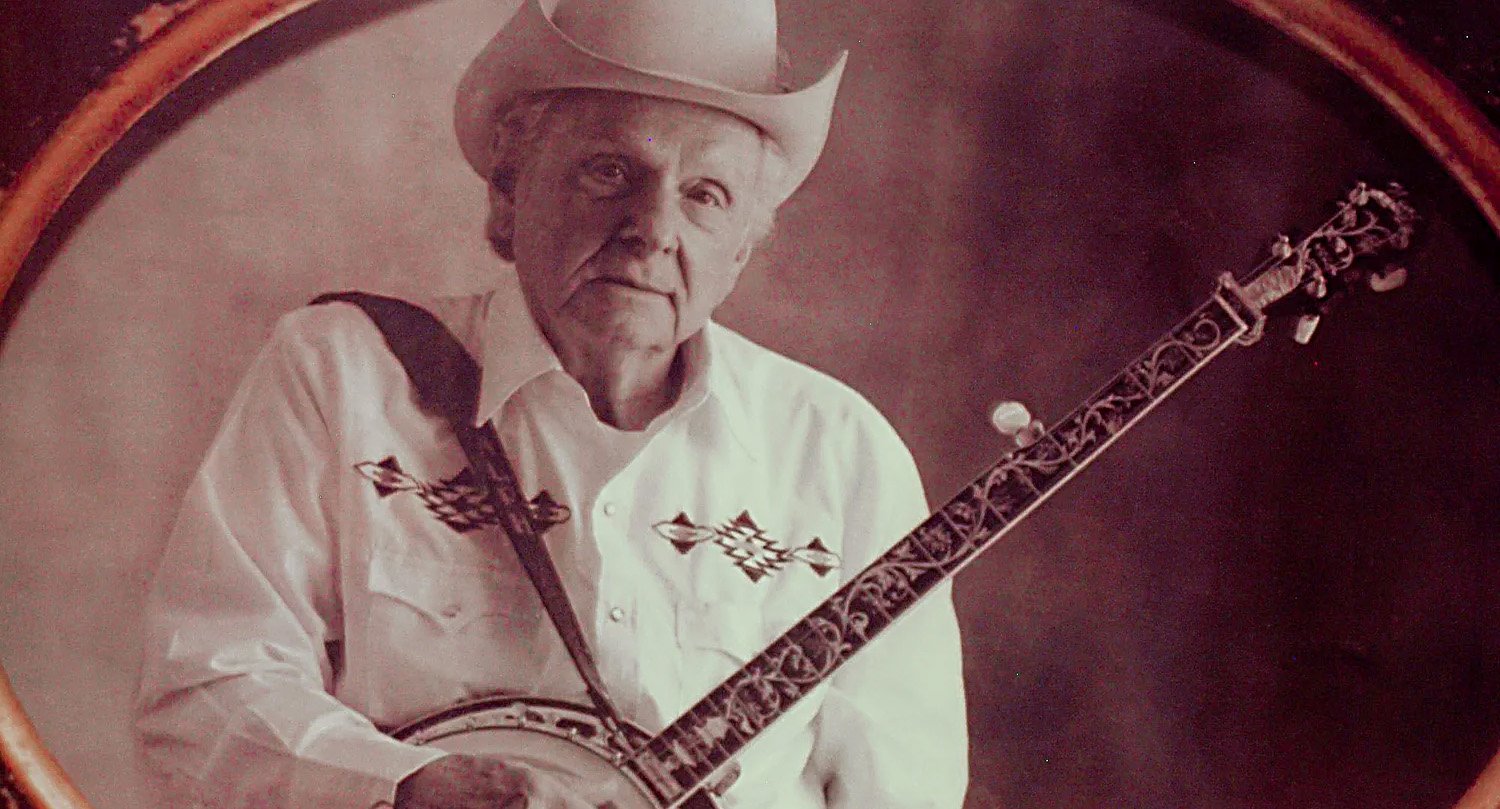
Dr. Ralph Stanley: The Legend of Bluegrass Music
The haunting mountain voice, the banjo, and the mountain gospel of an Appalachian master — and his living legacy across Southwest Virginia and the New River Trail.
Dr. Ralph Stanley: A Voice That Defined Bluegrass
Ralph Edmund Stanley (1927–2016) was one of the towering figures of American music. His haunting mountain vocals, masterful banjo playing, and deep devotion to Appalachian traditions made him instantly recognizable to anyone who heard him.
For more than 70 years, Stanley preserved and carried forward the music of the Blue Ridge and the Appalachian Mountains, inspiring generations of musicians along the way. His influence runs directly through the same Southwest Virginia region celebrated on The Crooked Road and along New River Trail State Park.
Early Life in the Mountains
Ralph Stanley was born on February 25, 1927, in Stratton, Virginia, in Buchanan County, deep in the mountains of far Southwest Virginia. His mother, Lucy Stanley, sang traditional songs and played the banjo, and his older brother Carter Stanley shared his love of music from an early age.
Growing up, Stanley absorbed traditional ballads, sacred hymns, fiddle tunes, banjo playing, and gospel harmonies. These mountain traditions became the foundation of both brothers’ careers and shaped the sound Ralph would carry for the rest of his life.
The Stanley Brothers
In 1946, Ralph and Carter Stanley formed The Stanley Brothers, which became one of the most influential groups in bluegrass music. Their sound blended high mountain harmonies, storytelling, traditional banjo, gospel, and Appalachian ballads.
The brothers preserved a traditional mountain sound at a moment when popular music was rapidly changing, and in doing so they helped expand the popularity of bluegrass throughout the United States.
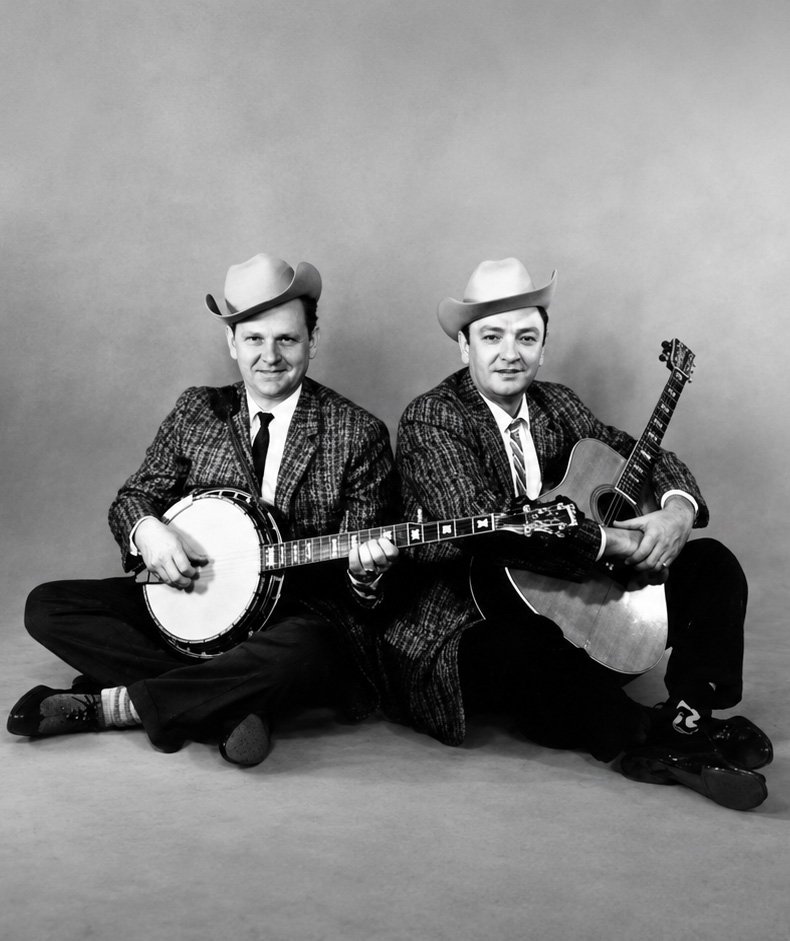
The Clinch Mountain Boys
After Carter Stanley’s passing in 1966, Ralph continued with his band, The Clinch Mountain Boys, which became legendary in bluegrass circles. Many outstanding musicians performed with the group before launching their own careers.
The band became known for its exceptional musicianship, its commitment to traditional bluegrass and mountain gospel, its banjo excellence, and Stanley’s role in mentoring younger players who would go on to shape the genre.
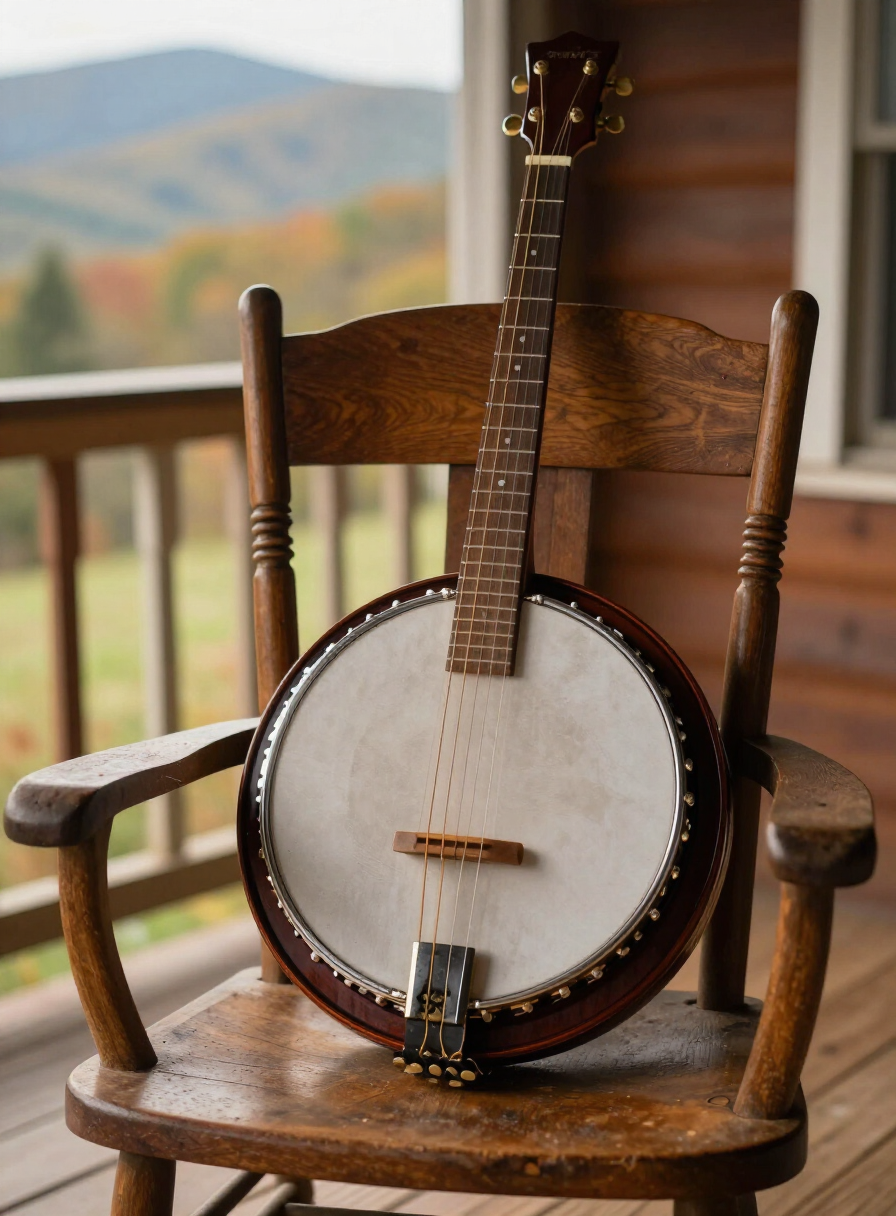
Ralph Stanley’s Banjo Style
Stanley developed one of the most recognizable banjo styles in American music. Different from the three-finger Earl Scruggs style that dominated much of bluegrass, his approach emphasized a clawhammer-inspired technique blended with innovative touches all his own.
The result was instantly recognizable and is widely studied by bluegrass musicians who want to understand the older, mountain roots of the instrument.
“O Death” and a New Generation of Fans
In the 2000 film O Brother, Where Art Thou?, Stanley delivered a stark, powerful a cappella performance of the traditional song “O Death” that introduced traditional Appalachian music to millions of new listeners.
The soundtrack won the Grammy Award for Album of the Year, and Stanley won the Grammy Award for Best Male Country Vocal Performance in 2002. For many younger listeners, that single haunting performance was their introduction to authentic mountain music.
Honors and Recognition
Over his long career, Ralph Stanley received some of the highest honors in American music and culture:
- Grammy Award winner
- Grammy Lifetime Achievement Award
- National Medal of Arts
- National Heritage Fellowship
- Member of the International Bluegrass Music Hall of Fame
- Honorary Doctor of Music degree
These honors recognized both his talent and his lifelong commitment to preserving Appalachian culture. Learn more about the genre through the International Bluegrass Music Association.
The Ralph Stanley Museum
Located in Clintwood, Virginia, the Ralph Stanley Museum celebrates the life and music of this bluegrass ambassador. Its exhibits include vintage instruments, stage clothing, family photographs, awards, memorabilia, historic recordings, and interactive displays.
The museum also tells the broader history of bluegrass music in Southwest Virginia, making it an essential stop along The Crooked Road.
Ralph Stanley and The Crooked Road
Stanley’s influence is woven throughout The Crooked Road, Virginia’s Heritage Music Trail. Along the route, visitors discover bluegrass festivals, weekly concerts, historic theaters, community jam sessions, instrument makers, traditional dance, gospel singing, and living musical traditions.
His music continues to inspire performers across Southwest Virginia, from seasoned professionals to young musicians learning their first tunes. Read more in our guides to The Carter Family, The Bristol Sessions, Jimmie Rodgers, and Fries-born fiddler Eddie Bond.
Ralph Stanley and the New River Trail
Stanley has no direct historical connection to the former railroad corridor that became the New River Trail. The connection is cultural: the traditions he championed are celebrated throughout the region.
Communities along the trail, including Galax, Fries, Pulaski, and Foster Falls, host bluegrass performances, festivals, and old-time music events that reflect the same Appalachian heritage Stanley preserved.
Visitors can combine cycling, hiking, horseback riding, or paddling with evening concerts for an authentic introduction to the region’s culture. See the Plan Your Visit page for itineraries.
Ralph Stanley and Appalachian Gospel Music
Perhaps Stanley’s greatest passion was traditional mountain gospel. His heartfelt performances of songs such as Rank Stranger, Angel Band, Pretty Polly, Little Maggie, and Man of Constant Sorrow defined the sound of Appalachian gospel for many listeners, and his unmistakable voice continues to inspire audiences today.
A Lasting Legacy
Ralph Stanley devoted his life to preserving Appalachian traditions, and his influence can be heard in countless artists who followed. His recordings remain a cornerstone of bluegrass and Appalachian music.
Fun Facts
- Ralph Stanley performed professionally for more than 70 years.
- He helped preserve songs passed down through Appalachian families for generations.
- His a cappella recording of “O Death” introduced traditional music to millions.
- He mentored many musicians who went on to become bluegrass stars.
- The Ralph Stanley Museum in Clintwood is an important bluegrass attraction.
Suggested Four-Day Bluegrass Road Trip
See the Plan Your Visit page for a full trip-planning checklist.
Visit the Floyd Country Store, stay for the Friday Night Jamboree, and join community jam sessions.
Tour the Ralph Stanley Museum, explore mountain communities, and catch a local performance.
Visit the Birthplace of Country Music Museum and the Carter Family Fold to complete the region’s musical heritage.
Frequently Asked Questions
Nearby Attractions for Music Lovers
A museum devoted to the life and legacy of bluegrass pioneer Dr. Ralph Stanley, with vintage instruments, stage clothing, awards, and historic recordings.
Visit websiteA Smithsonian-affiliated museum built around the story of the 1927 Bristol Sessions.
Visit websiteThe rustic music hall built by Janette Carter, still hosting live traditional music nearly every Saturday night.
Visit websiteA restored 1940s theater hosting live regional and touring musicians in downtown Galax.
Visit websiteHome of the Friday Night Jamboree, a weekly gathering of old-time music and flatfoot dancing.
Visit websiteA National Park Service site at Blue Ridge Parkway Milepost 213 dedicated to the music of the Blue Ridge.
Visit websiteA 57-mile rail trail through the same Southwest Virginia mountains that shaped the region’s musical heritage.
Visit websiteContinue Your Appalachian Music Journey
The story of Ralph Stanley is the story of Appalachia itself — family, faith, resilience, and music passed down through generations. Explore the New River Trail, drive The Crooked Road, or attend a bluegrass concert, and you will hear the echoes of the traditions Stanley preserved.
His legacy lives on in recordings, museums, fiddle tunes, banjo rolls, gospel harmonies, and community jam sessions. Read more on the Old-Time Music and Old-Time Music in Fries pages.
Plan Your Day Trip to Fries
Fries sits directly beside the New River, where the trail begins downtown and forested ridges rise beyond the water. It is close enough for a day trip from Winston-Salem, Greensboro, High Point and Mount Airy, and rewarding enough to feel like a genuine mountain getaway from Charlotte and the wider North Carolina Piedmont. Combine your activity with time beside the river, a walk through town and a look at the mill and railroad history that shaped the community. Check current trail conditions, weather and park notices before you travel.
Follow the Music to the Mountains
Combine a day on the New River Trail with the bluegrass legacy of Ralph Stanley and The Crooked Road.