
The Bristol Sessions: The “Big Bang” of Country Music
How twelve days in the summer of 1927 changed American music, and why Southwest Virginia still carries that legacy today.
Welcome to the Birthplace of Country Music
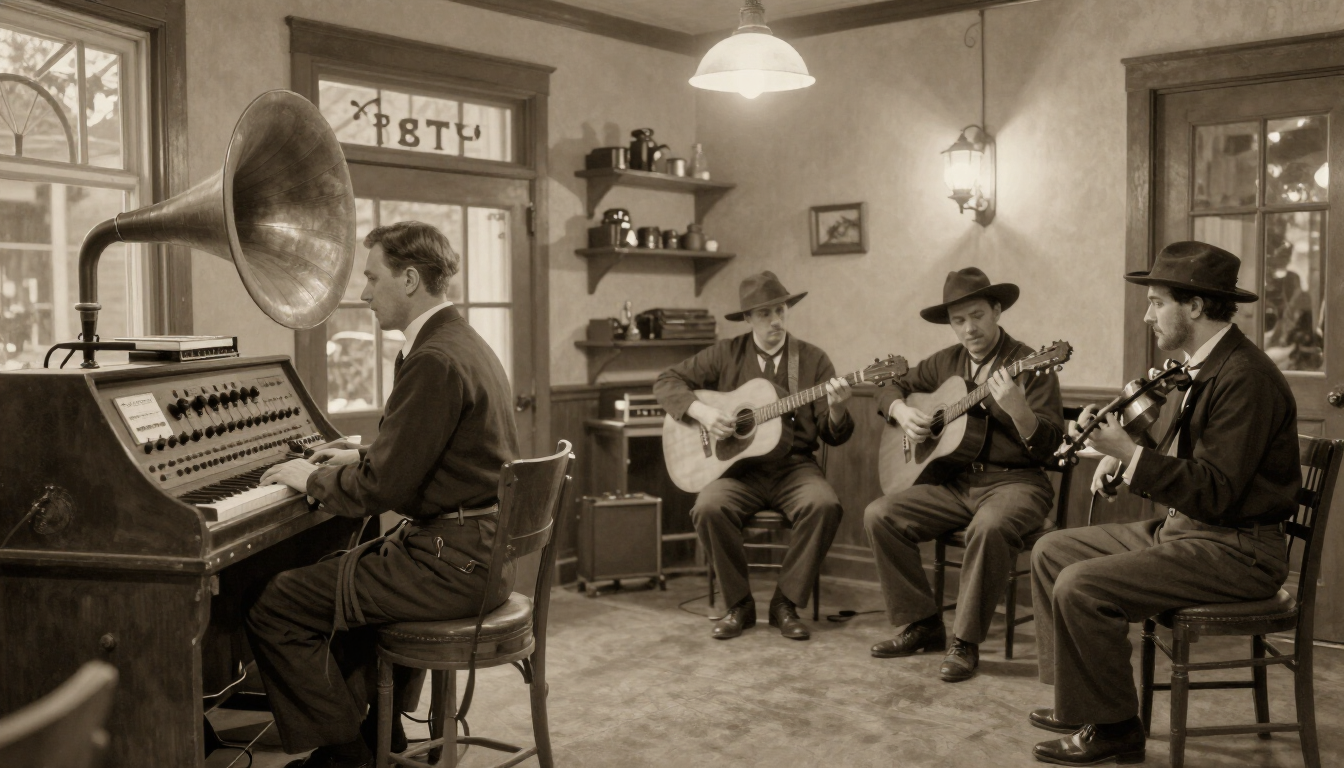
In the summer of 1927, a series of recording sessions in Bristol, Tennessee-Virginia, changed the course of American music. Producer Ralph Peer arrived in the small border city with portable electrical recording equipment, hoping to capture the sound of regional Southern musicians. Over a twelve-day period, he did far more than that.
The Bristol Sessions introduced the world to The Carter Family and Jimmie Rodgers, artists who would go on to define the earliest sound of commercial country music. Today, that legacy runs directly through the same Southwest Virginia mountains celebrated on The Crooked Road and along New River Trail State Park.
For travelers, that means a visit to this corner of Virginia can combine outdoor adventure — cycling, hiking, and river days — with an introduction to one of the most important moments in American musical history.
Why Were the Bristol Sessions So Important?
By the mid-1920s, advances in electrical recording technology made it possible, for the first time, to capture sound with real clarity outside of a fixed studio. Ralph Peer recognized an opportunity: rather than waiting for musicians to come to him, he could travel to where regional music already lived.
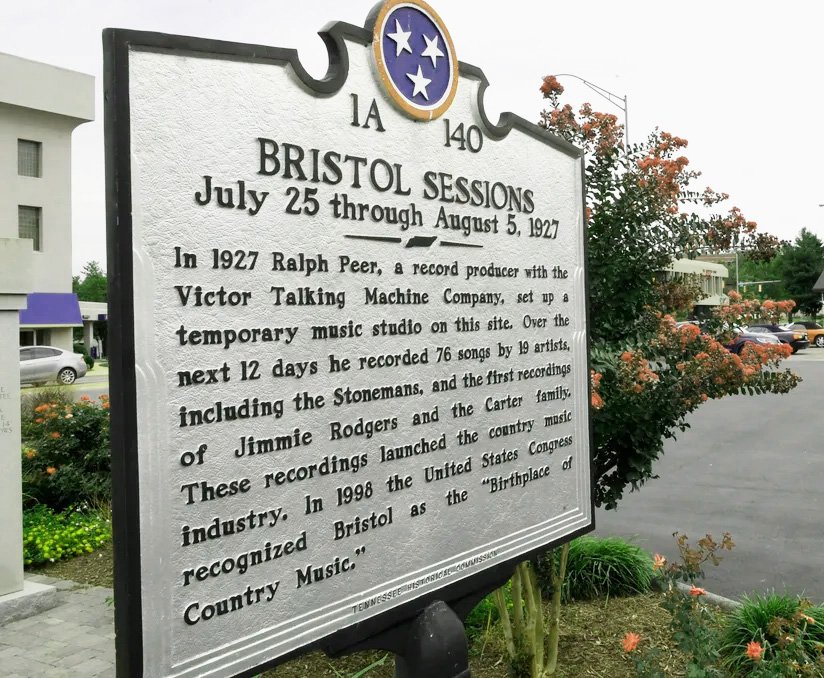
Between July 25 and August 5, 1927, Peer recorded 76 songs performed by 19 different acts in a makeshift studio above a Bristol storefront. The results preserved traditional Appalachian ballads, gospel songs, and string band tunes that might otherwise have been lost, while also introducing musicians who would go on to become some of the most influential figures in American music.
The Carter Family
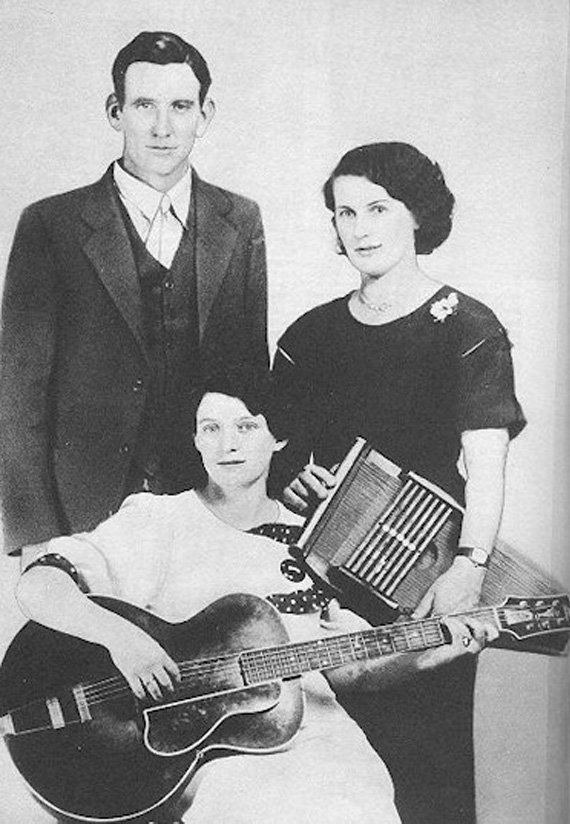
A.P. Carter, his wife Sara, and her cousin Maybelle traveled from nearby Maces Spring, Virginia, to audition for Ralph Peer. Their heartfelt harmonies and interpretations of traditional mountain songs impressed him immediately.
Songs recorded during and shortly after the sessions — including Wildwood Flower, Keep on the Sunny Side, Bury Me Beneath the Willow, and Single Girl, Married Girl — became some of the most influential recordings in American music history.
The Carter Family went on to preserve hundreds of traditional Appalachian songs and inspired generations of musicians who followed. Read the complete story in our guide to The Carter Family.
Jimmie Rodgers
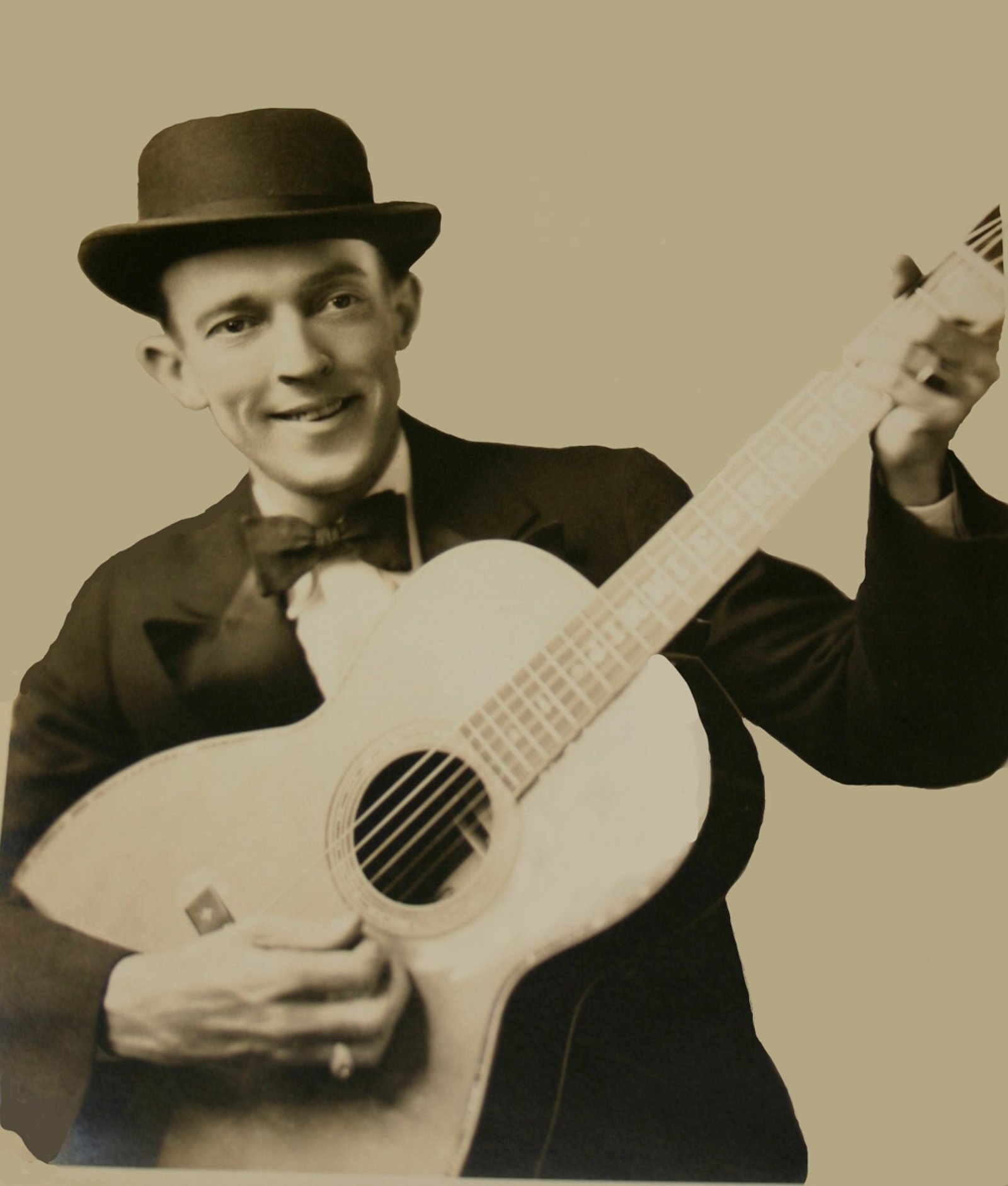
Known today as the “Father of Country Music,” Jimmie Rodgers also auditioned for Ralph Peer during the Bristol Sessions. His unique blend of blues, folk, railroad songs, and his distinctive yodel created a style unlike anything previously heard in commercial recording.
Rodgers’ recordings became enormously successful in the years that followed, helping establish commercial country music as a major American genre alongside the traditions preserved by The Carter Family. Read his complete story in our guide to Jimmie Rodgers, the Father of Country Music. The Appalachian traditions captured at Bristol later carried forward through bluegrass pioneer Ralph Stanley, flatpicking guitar legend Doc Watson, and Fries-born fiddler Eddie Bond, who keeps the living old-time tradition alive today.
Ralph Peer: The Visionary Producer
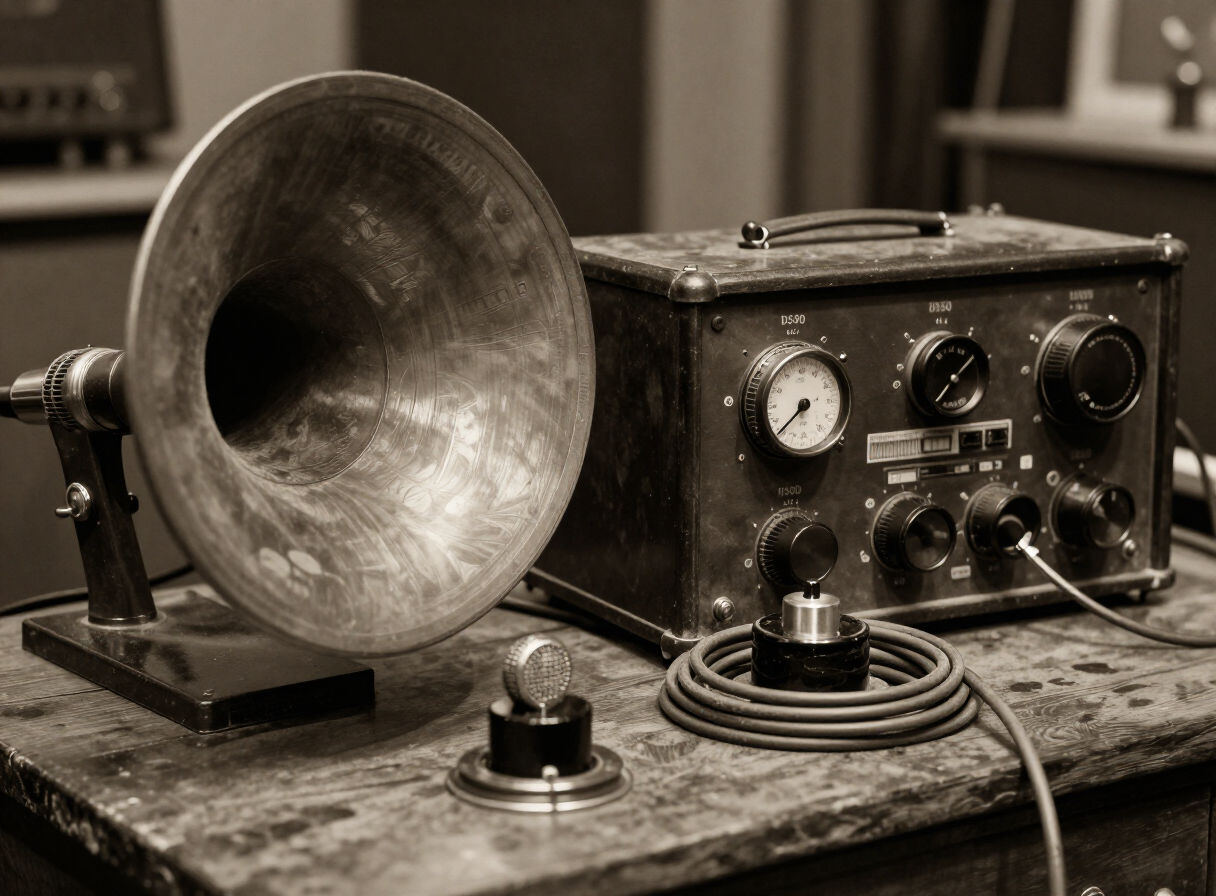
Ralph Peer was already an experienced recording executive when he arrived in Bristol, but the sessions there reflected a particular insight: that rural Southern musicians carried genuinely valuable, marketable talent.
Peer advertised throughout the region ahead of his visit, inviting musicians to audition. Using portable electrical recording equipment — still a relatively new technology — he captured performances with a clarity that earlier acoustic recording methods could not match, forever changing the trajectory of American music.
Why Bristol?
Bristol was already an important transportation and commercial center by 1927, straddling the Tennessee-Virginia state line and sitting along major railroad routes. That made it a natural gathering place for people from Southwest Virginia, East Tennessee, western North Carolina, and eastern Kentucky.
Musicians could travel from isolated mountain communities relatively easily, bringing with them traditional songs, ballads, fiddle tunes, and gospel music that had long been preserved but rarely recorded.
The Appalachian Sound
The music captured at the Bristol Sessions reflected centuries of layered musical tradition. English and Scottish ballads, Irish fiddle tunes, African American musical traditions, sacred hymns, gospel harmonies, dance music, and traditional storytelling all combined in the isolated hollows and valleys of Appalachia.
That blend eventually evolved into old-time music, bluegrass, country music, Americana, and folk — genres that remain closely connected today, and that visitors can still hear performed live throughout the region.
The Bristol Sessions and The Crooked Road
The legacy of the Bristol Sessions lives on through The Crooked Road, Virginia’s Heritage Music Trail. Communities across this roughly 330-mile route continue to celebrate the same musical traditions captured in 1927, through weekly concerts, bluegrass festivals, old-time jam sessions, historic theaters, music museums, community dances, and working instrument makers.
Visiting Bristol as part of a wider Crooked Road trip places the 1927 sessions in the context of a living music culture that continues to this day. See the complete Crooked Road guide for venues, festivals, and history.
The Bristol Sessions and the New River Trail
Bristol sits approximately 90 miles southwest of New River Trail State Park. The two are not directly connected geographically, but they are connected through shared cultural heritage.
Communities along the trail, including Galax, Fries, Pulaski, and Draper, continue to celebrate Appalachian music through festivals and live performances that trace their roots to the same era as the Bristol Sessions.
Visitors often combine a day of cycling or hiking along the trail, visiting historic depots, and exploring Galax with an evening of live concerts or a drive along The Crooked Road — creating an authentic introduction to Appalachian culture that goes well beyond a single stop.
Railroads and the Spread of Music
The Norfolk & Western Railway corridor that later became New River Trail State Park connected communities throughout Southwest Virginia during the same decades the Bristol Sessions musicians were performing and recording.
Rail transportation played an important supporting role in this cultural moment: connecting towns that had once been isolated, moving instruments and traveling musicians, bringing visitors to new places, and distributing records once they were pressed. The story of the railroad and the story of Appalachian music are two parallel threads that shaped this region’s history side by side.
The Birthplace of Country Music Museum
Located in downtown Bristol, Virginia, the Birthplace of Country Music Museum is a Smithsonian Affiliate built around the story of the 1927 sessions. The museum features interactive exhibits, historic recordings, original instruments, listening stations, film presentations, rotating exhibits, educational programs, and family activities.
It has become a premier destination for anyone interested in American roots music, and a natural anchor for a Bristol visit.
Suggested Three-Day Music & Trail Adventure
See the Plan Your Visit page for a full trip-planning checklist.
Drive the scenic roads of The Crooked Road, visit the Floyd Country Store, and stay for the Friday Night Jamboree or a community jam session.
Tour the Birthplace of Country Music Museum, walk historic State Street, explore Bristol’s musical landmarks, and learn the full story of the Bristol Sessions.
Fun Facts
- Ralph Peer recorded 76 songs by 19 different acts during the Bristol Sessions.
- The sessions took place over twelve days, from July 25 to August 5, 1927.
- Ralph Peer used newly developed electrical recording technology to capture unusually clear performances for the era.
- The Carter Family and Jimmie Rodgers both launched national recording careers directly from these sessions.
- The U.S. Congress officially recognized Bristol as the Birthplace of Country Music.
Frequently Asked Questions
Nearby Attractions for Music Lovers
A Smithsonian-affiliated museum built around the story of the 1927 Bristol Sessions, with interactive exhibits, historic recordings, and original instruments.
Visit websiteThe rustic music hall built by Janette Carter, still hosting live traditional music nearly every Saturday night.
Visit websiteA restored 1940s theater hosting live regional and touring musicians in downtown Galax.
Visit websiteHome of the Friday Night Jamboree, a weekly gathering of old-time music and flatfoot dancing.
Visit websiteA National Park Service site at Blue Ridge Parkway Milepost 213 dedicated to the music of the Blue Ridge.
Visit websiteA 57-mile rail trail through the same Southwest Virginia mountains that shaped the Bristol Sessions musicians.
Visit websitePlan Your Music Journey
The Bristol Sessions are more than a historical footnote — they are the moment Appalachian music reached a national stage, and their echo is still audible throughout Southwest Virginia today. Riding the New River Trail, listening to a fiddle tune in Galax, and touring the Birthplace of Country Music Museum in Bristol are all part of the same story.
See the Plan Your Visit page for lodging, itineraries, and a trip-planning checklist, or read more on the Old-Time Music in Fries and Old-Time Music pages.
Plan Your Day Trip to Fries
Fries sits directly beside the New River, where the trail begins downtown and forested ridges rise beyond the water. It is close enough for a day trip from Winston-Salem, Greensboro, High Point and Mount Airy, and rewarding enough to feel like a genuine mountain getaway from Charlotte and the wider North Carolina Piedmont. Combine your activity with time beside the river, a walk through town and a look at the mill and railroad history that shaped the community. Check current trail conditions, weather and park notices before you travel.
Follow the Music to Bristol
Combine a day on the New River Trail with the history of the Bristol Sessions and The Crooked Road.