

Jimmie Rodgers: The Father of Country Music
How a railroad brakeman from Mississippi helped launch the American country music industry, and why his story still resonates across Southwest Virginia.
Welcome to the Story of Jimmie Rodgers
Jimmie Rodgers (1897–1933) is widely remembered as the “Father of Country Music,” a title earned by blending Appalachian ballads, blues, railroad songs, folk music, and his unmistakable yodel into recordings that launched the commercial country music industry.
Although Rodgers was born far from the mountains of Southwest Virginia, his career forever intersected with this region through the 1927 Bristol Sessions and the broader heritage music tradition celebrated today along The Crooked Road and New River Trail State Park.
For travelers exploring this part of Virginia, understanding Rodgers’ story adds another layer to a region where Appalachian musical heritage continues to thrive in living, weekly traditions rather than as a historical footnote.
Who Was Jimmie Rodgers?
Jimmie Rodgers was born on September 8, 1897, in Meridian, Mississippi. He lost his mother at an early age and spent much of his childhood moving between relatives, eventually finding steady work as a railroad brakeman.
His years working on the railroad exposed him to the songs, stories, and rhythms of railroad workers across the South, experiences that would later shape his songwriting. When tuberculosis made railroad work impossible, Rodgers turned to music full time, a decision that would change American popular culture.
The Bristol Sessions That Changed Everything
In the summer of 1927, producer Ralph Peer traveled to Bristol, Tennessee-Virginia, to record regional musicians using newly developed portable electrical recording equipment. Among those who answered his call was Jimmie Rodgers.
His recordings from those historic sessions introduced him to the American public and launched one of the most influential careers in country music history. Music historians now call the Bristol Sessions the “Big Bang of Country Music,” the moment traditional Southern and Appalachian sounds reached a national audience.
Read the complete story in our guide to The Bristol Sessions.
The Blue Yodels
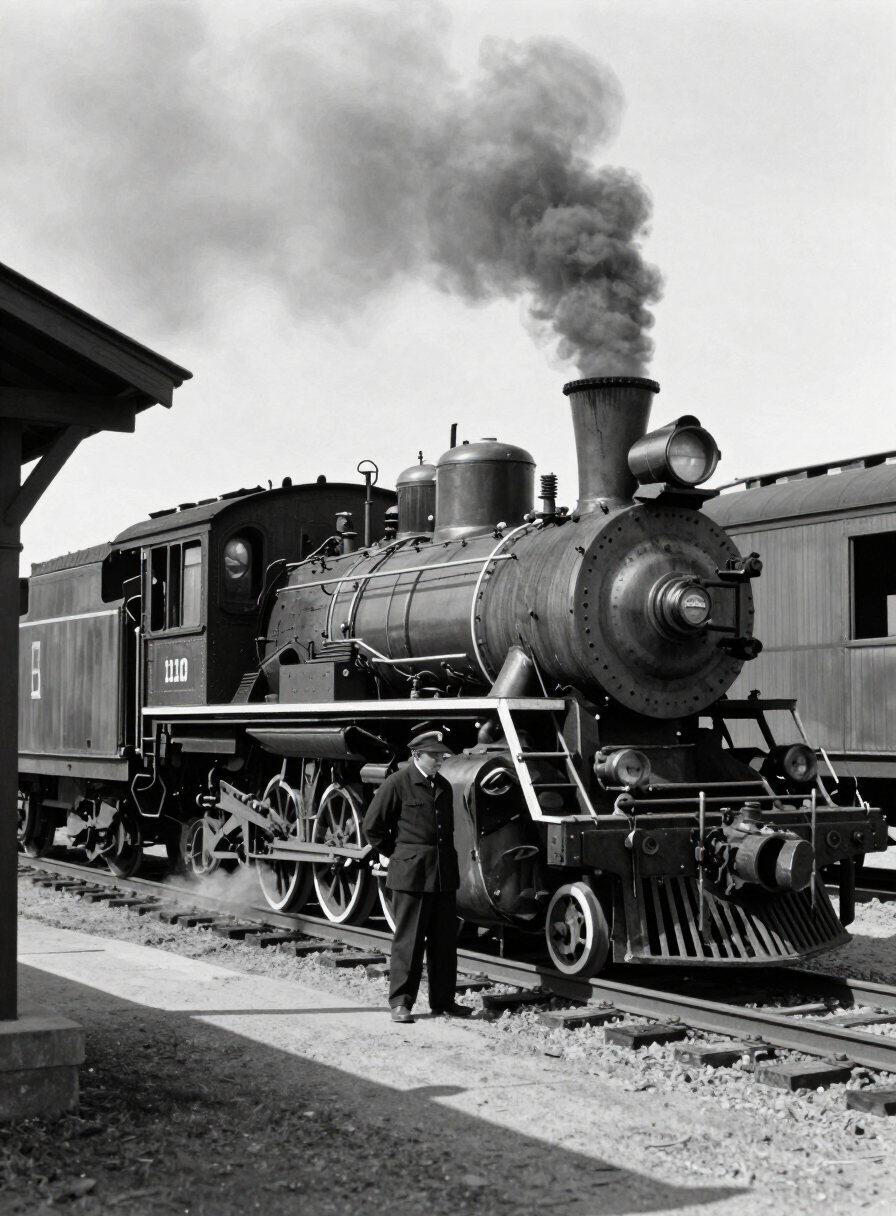
Rodgers is perhaps best known for his series of recordings known as the Blue Yodels. These songs combined traditional Southern music, blues phrasing, railroad imagery, storytelling, and his signature falsetto yodel into a sound unlike anything previously heard in commercial recording.
The Blue Yodels became some of the most successful country records of the era and helped define the emerging genre, proving there was a large national audience for authentic, rural American music.
Songs That Became American Classics
Rodgers recorded more than 100 songs during his brief career. Many remain standards performed by country, bluegrass, folk, and Americana musicians worldwide.
Why Railroads Were Central to Rodgers’ Music
Rodgers wrote from firsthand experience working on the railroad. His songs spoke to railroad workers and travelers, capturing life on the rails, small-town America, hard work, adventure, heartbreak, and hope.
That authenticity resonated deeply with audiences living through a rapidly changing America, as railroads connected once-isolated communities and reshaped how people traveled, worked, and heard new music.

Jimmie Rodgers and the Norfolk & Western Railway
Rodgers did not work for the Norfolk & Western Railway, and he has no direct connection to the rail corridor that later became the New River Trail.
Even so, railroads played a transformative role throughout Appalachia during his era, connecting communities, distributing instruments and records, and helping spread country music recordings like his to a national audience. The New River Trail today follows a former railroad corridor that was part of this same broader transportation network.
Jimmie Rodgers and Appalachian Music
Although Rodgers was from Mississippi rather than the Appalachian Mountains, his music shared many characteristics with the region’s traditions: storytelling lyrics, traditional ballad structures, gospel influences, fiddle accompaniment, acoustic guitar, rural themes, railroad songs, and family-centered values.
Those same traditions continue today in Southwest Virginia, and many Crooked Road performances carry echoes of the style Rodgers helped popularize nationally.
Jimmie Rodgers and The Crooked Road
The Crooked Road, Virginia’s Heritage Music Trail, celebrates the rich musical traditions that artists like Rodgers both influenced and were influenced by: historic country music, bluegrass, old-time mountain music, gospel performances, community jam sessions, traditional dance, instrument makers, and music museums.
Rodgers’ recordings are part of the broader American roots music tradition that The Crooked Road continues to celebrate through weekly concerts, festivals, and living community traditions across Southwest Virginia. That same tradition carried forward through bluegrass pioneer Ralph Stanley, flatpicking guitar legend Doc Watson, and Fries-born fiddler Eddie Bond, who keeps the old-time tradition alive today.
Jimmie Rodgers and the New River Trail
A visit to the New River Trail offers a compelling combination of outdoor recreation and heritage music tourism. Visitors can cycle scenic rail-trails by day, visit Galax’s old-time music community, drive sections of The Crooked Road, explore music museums, attend evening bluegrass concerts, and discover the stories of legendary musicians like Rodgers along the way.
See the Plan Your Visit page for lodging, itineraries, and a trip-planning checklist.
The Lasting Legacy of Jimmie Rodgers
Rodgers’ recording career lasted only about six years, yet it permanently changed the direction of American music. His influence can be traced through nearly every generation of artist that followed.
Did You Know?
- Jimmie Rodgers is widely known as the “Father of Country Music.”
- He was recorded at the historic 1927 Bristol Sessions, alongside The Carter Family.
- His signature yodel became a defining sound of early country music.
- Many of his songs feature railroad themes drawn from his own years as a brakeman.
- He was one of the first country music stars to achieve nationwide fame through commercial recordings.
Suggested Three-Day Music Adventure
See the Plan Your Visit page for a full trip-planning checklist.
Explore the Floyd Country Store, join a community jam session, and stay for the Friday Night Jamboree.
Visit the Birthplace of Country Music Museum, learn about the Bristol Sessions, and discover the careers of Jimmie Rodgers and The Carter Family.
Frequently Asked Questions
Nearby Attractions for Music Lovers
A Smithsonian-affiliated museum built around the story of the 1927 Bristol Sessions, where Jimmie Rodgers made his first recordings.
Visit websiteThe rustic music hall built by Janette Carter, still hosting live traditional music nearly every Saturday night.
Visit websiteA restored 1940s theater hosting live regional and touring musicians in downtown Galax.
Visit websiteHome of the Friday Night Jamboree, a weekly gathering of old-time music and flatfoot dancing.
Visit websiteA National Park Service site at Blue Ridge Parkway Milepost 213 dedicated to the music of the Blue Ridge.
Visit websiteA 57-mile rail trail through the same Southwest Virginia mountains that shaped the region’s musical heritage.
Visit websiteContinue Your Musical Journey
Jimmie Rodgers’ remarkable career began in Bristol, but its influence reached every corner of American music. Cycling the New River Trail, exploring mountain towns like Fries and Galax, and enjoying live performances along The Crooked Road keep the traditions Rodgers helped popularize alive today.
It is a story of how rural American voices became the nation’s soundtrack. Read more in our guides to The Carter Family, Old-Time Music, and Old-Time Music in Fries.
Plan Your Day Trip to Fries
Fries sits directly beside the New River, where the trail begins downtown and forested ridges rise beyond the water. It is close enough for a day trip from Winston-Salem, Greensboro, High Point and Mount Airy, and rewarding enough to feel like a genuine mountain getaway from Charlotte and the wider North Carolina Piedmont. Combine your activity with time beside the river, a walk through town and a look at the mill and railroad history that shaped the community. Check current trail conditions, weather and park notices before you travel.
Follow the Music to Bristol
Combine a day on the New River Trail with the history of Jimmie Rodgers, the Bristol Sessions, and The Crooked Road.