
Fishing the New River in Virginia
Fifteen species, four seasons, and 57 miles of river along the New River Trail. Everything you need to plan a day on one of the oldest and most rewarding fisheries in Southwest Virginia.
Why Fish the New River?
The New River is one of the oldest rivers in the world, and its age has shaped a fishery unlike any other in Virginia. Flowing north through the Blue Ridge and Appalachian valleys, it carves a path of rocky runs, deep pools, gentle riffles, and quiet backwaters — habitat that supports a remarkable diversity of warm-water fish.
A Diverse Fishery
From hard-fighting smallmouth bass to elusive musky, the river holds fifteen notable species across its length.
Easy Trail Access
The New River Trail follows the river for 57 miles, putting bank fishing and launch points within a short walk of parking.
Scenic & Uncrowded
Forested ridges, historic trestles, and quiet mountain towns make every cast feel far from the everyday.
Fish Species You Can Catch
The New River supports a rich warm-water fishery. These fifteen species are the ones anglers most commonly pursue along the trail, from the rocky runs near Fries to the deeper pools downstream.
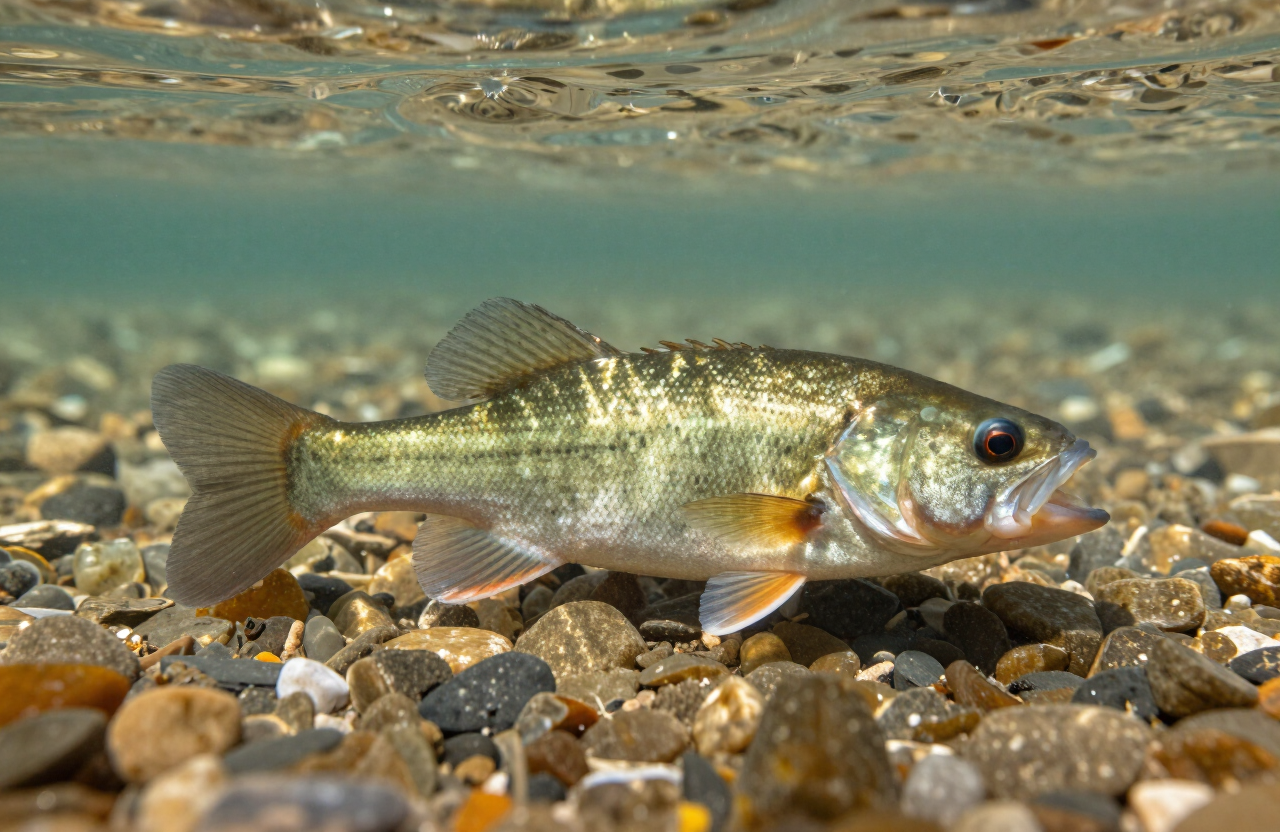
Smallmouth Bass
The river's signature sportfish — hard-fighting and abundant in rocky runs and riffles.
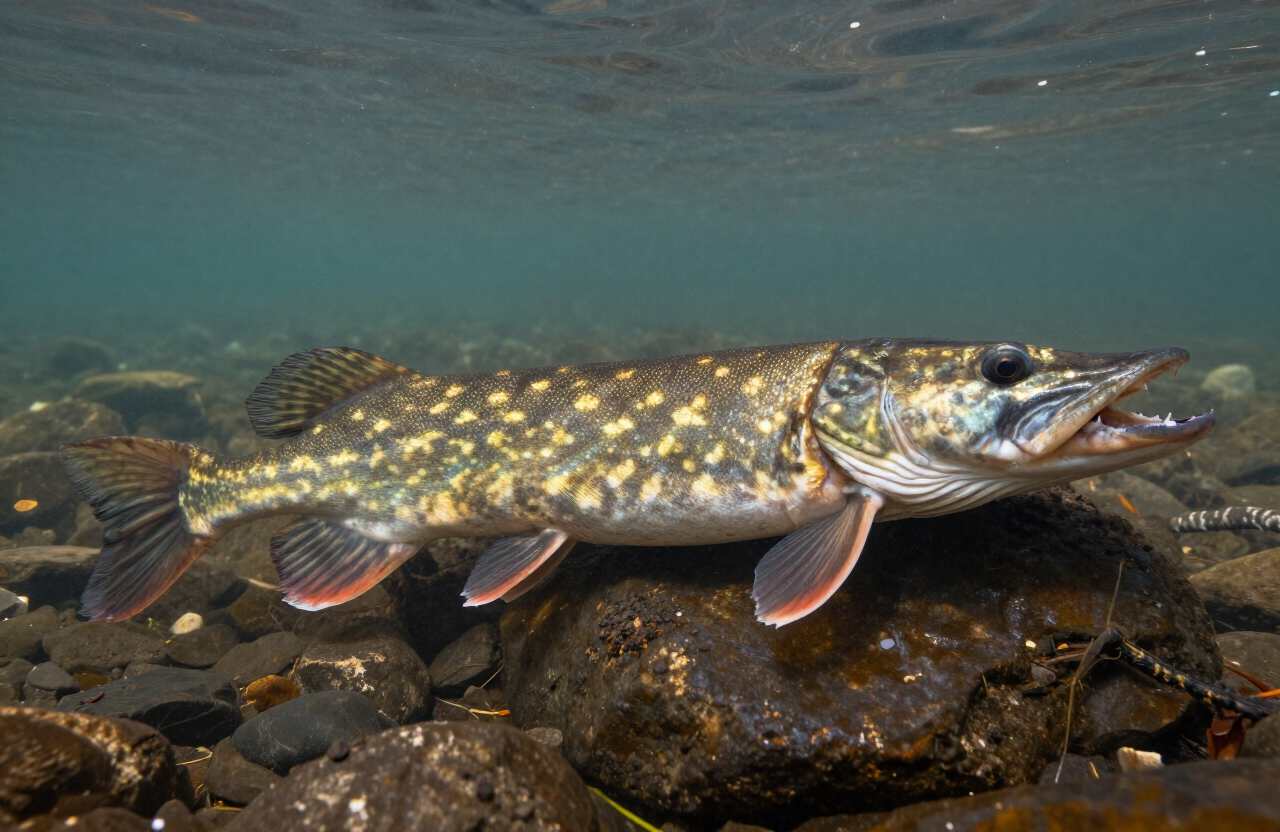
Muskellunge (Musky)
A prized apex predator; the New River is one of Virginia's premier musky destinations.
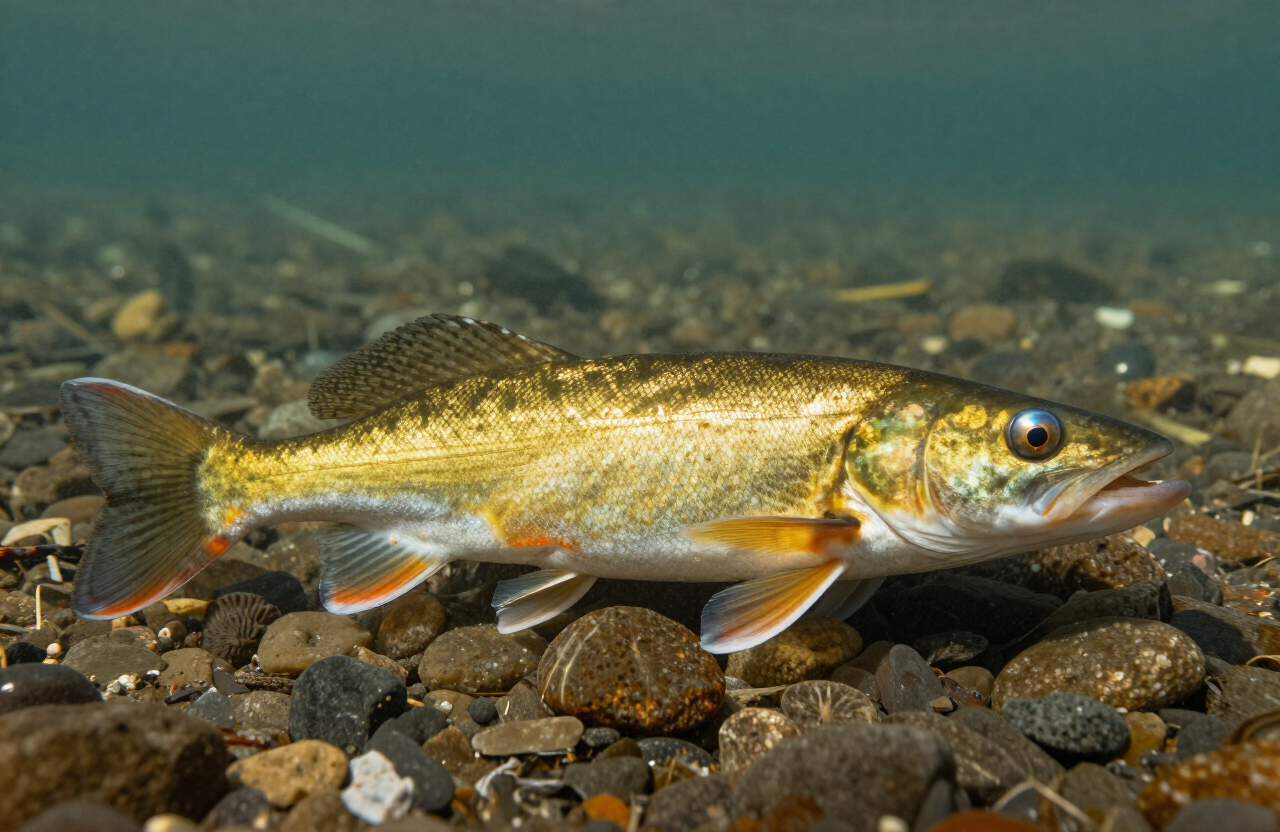
Walleye
Favored by anglers in early spring and after dark, especially near rocky drop-offs.
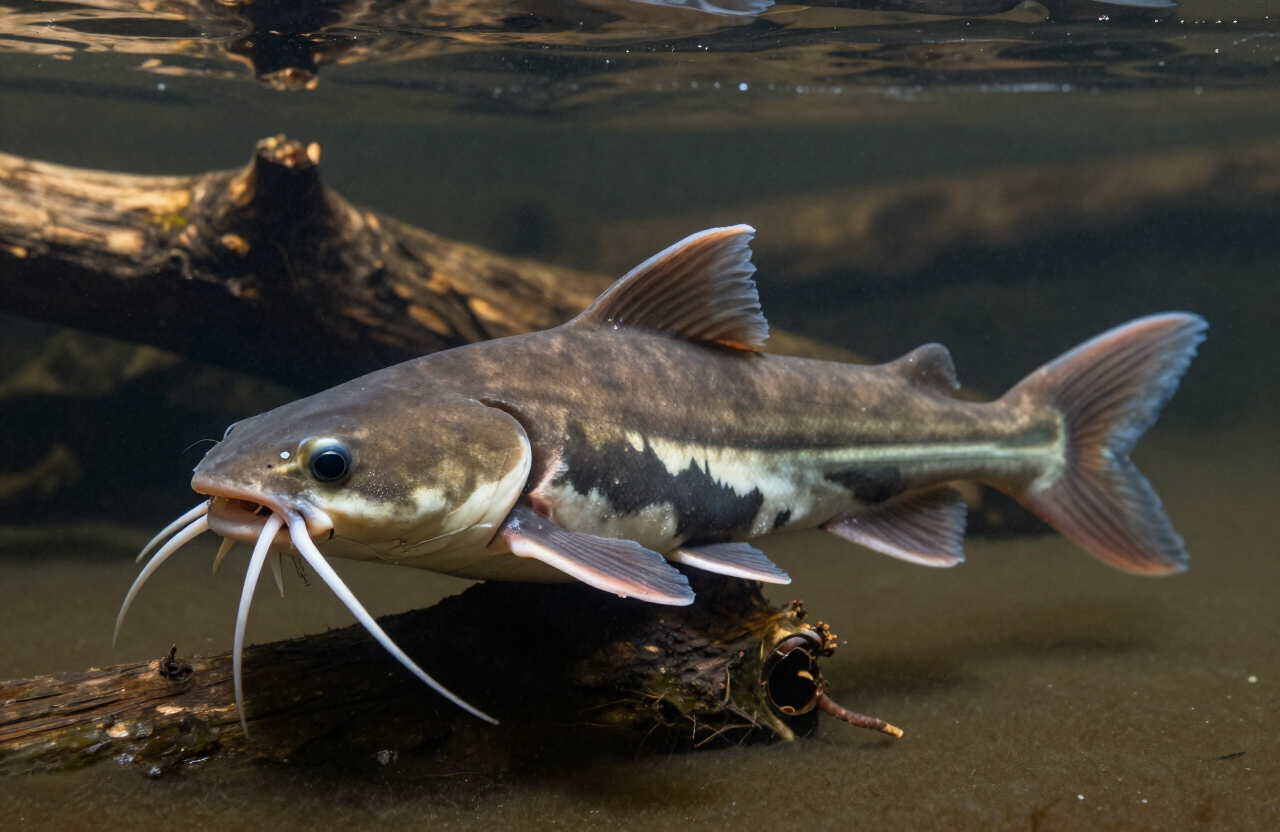
Channel Catfish
Common throughout the river, active at night and responsive to cut bait.
Flathead Catfish
A large, structure-oriented catfish that favors deep holes and woody cover.
Bluegill
A panfish favorite for families, found near shoreline cover and backwaters.
Redbreast Sunfish
Colorful sunfish that thrive in the river's slower, sunlit margins.
Rock Bass
Aggressive little fighters that hold around boulders and rocky shorelines.
Largemouth Bass
Found in slower, weedy stretches and backwater sloughs along the river.
Hybrid Striped Bass
Powerful fighters stocked in impounded sections; chase schools in open water.
White Bass
Schooling fish that turn on during spring runs and feeding frenzies.
Black Crappie
A spring favorite around submerged timber and quieter eddies.
Yellow Perch
Cool-water panfish most active in late winter and early spring.
Common Carp
Large, wary fish that reward patient sight-fishing in shallow flats.
Northern Hogsucker
A native bottom-dweller that signals the river's clean, healthy habitat.
Best Places to Fish Along the Trail
The New River Trail parallels the river for its entire length, giving anglers a chain of access points from the trailhead at Fries to the eastern pools near Allisonia.
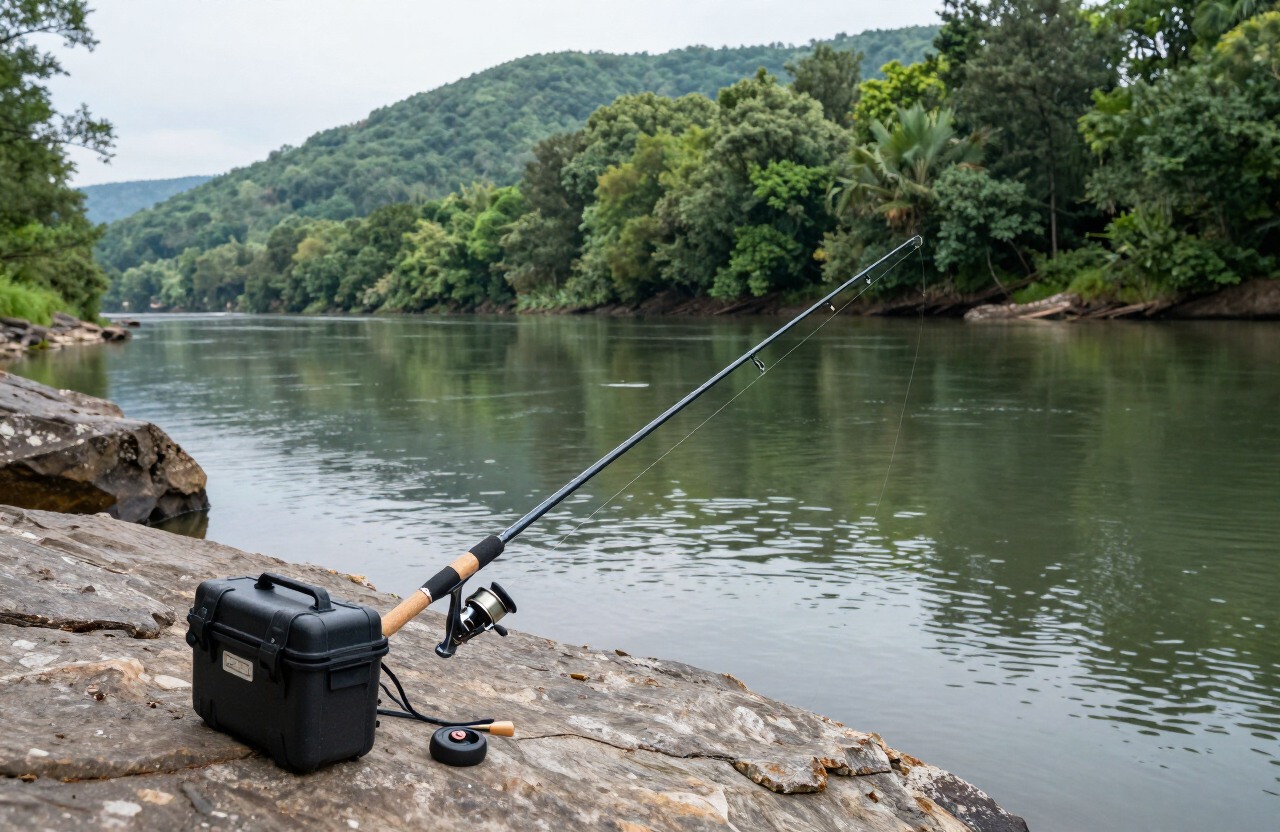
Fries
The trail's mile-zero town sits directly on the New River, with bank access near downtown and the trailhead. Rocky shorelines and gentle riffles make Fries a welcoming spot for smallmouth bass and sunfish, and a convenient base for a full day on the water.
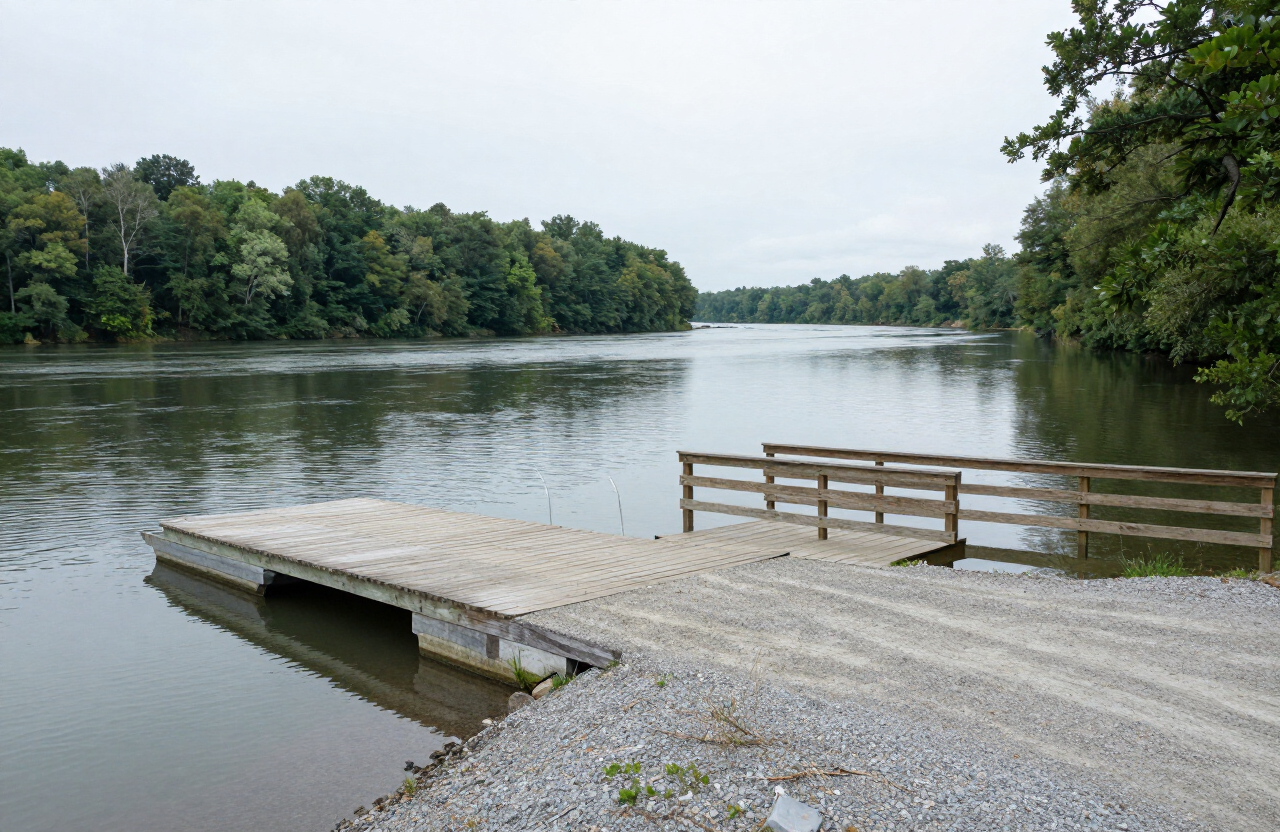
Foster Falls
A popular river access with a boat launch, parking, and visitor amenities. The impounded water above the falls holds a mix of bass, catfish, and panfish, and the launch makes it easy to put in a kayak or small boat.
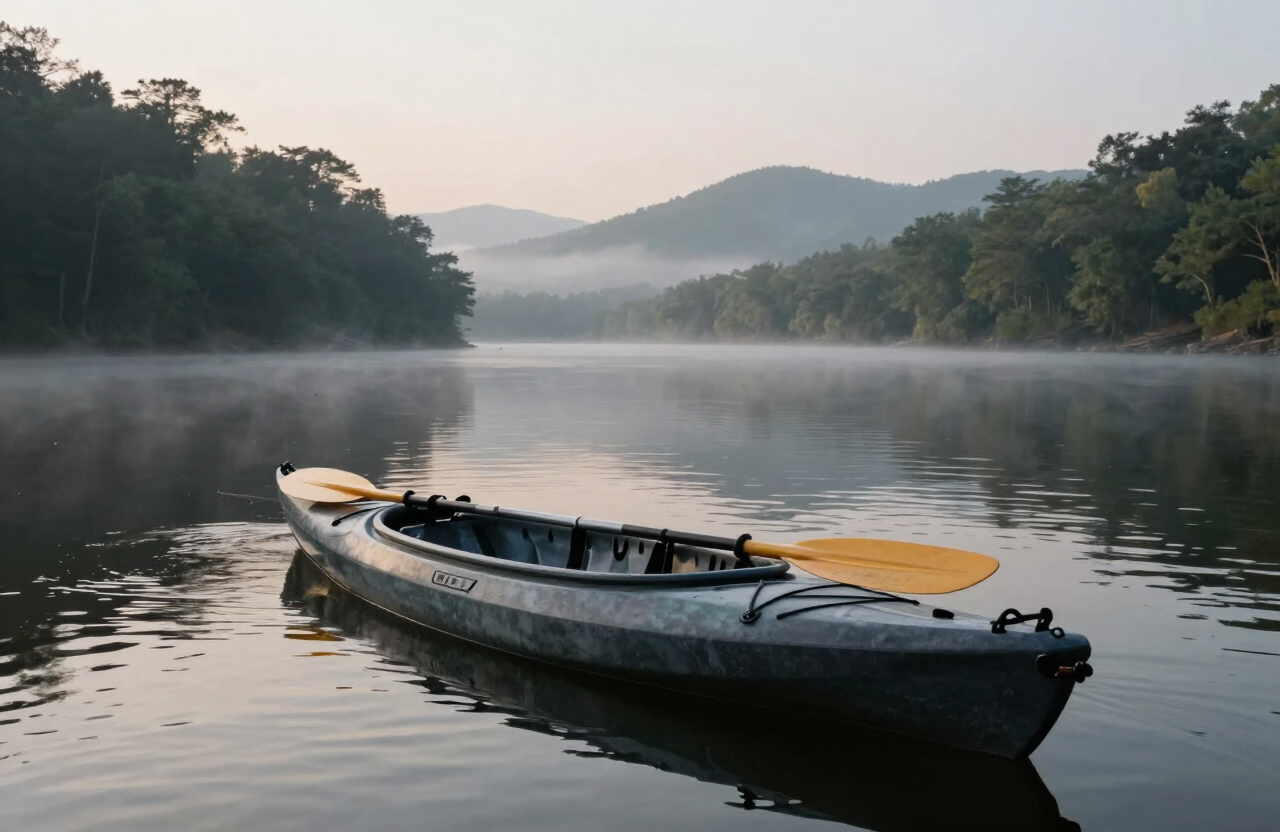
Austinville
Downstream of Fries, the river widens and slows through pastoral valleys. Austinville offers quieter water ideal for kayak anglers targeting bass and catfish, with scenic, low-pressure fishing away from the busier access points.
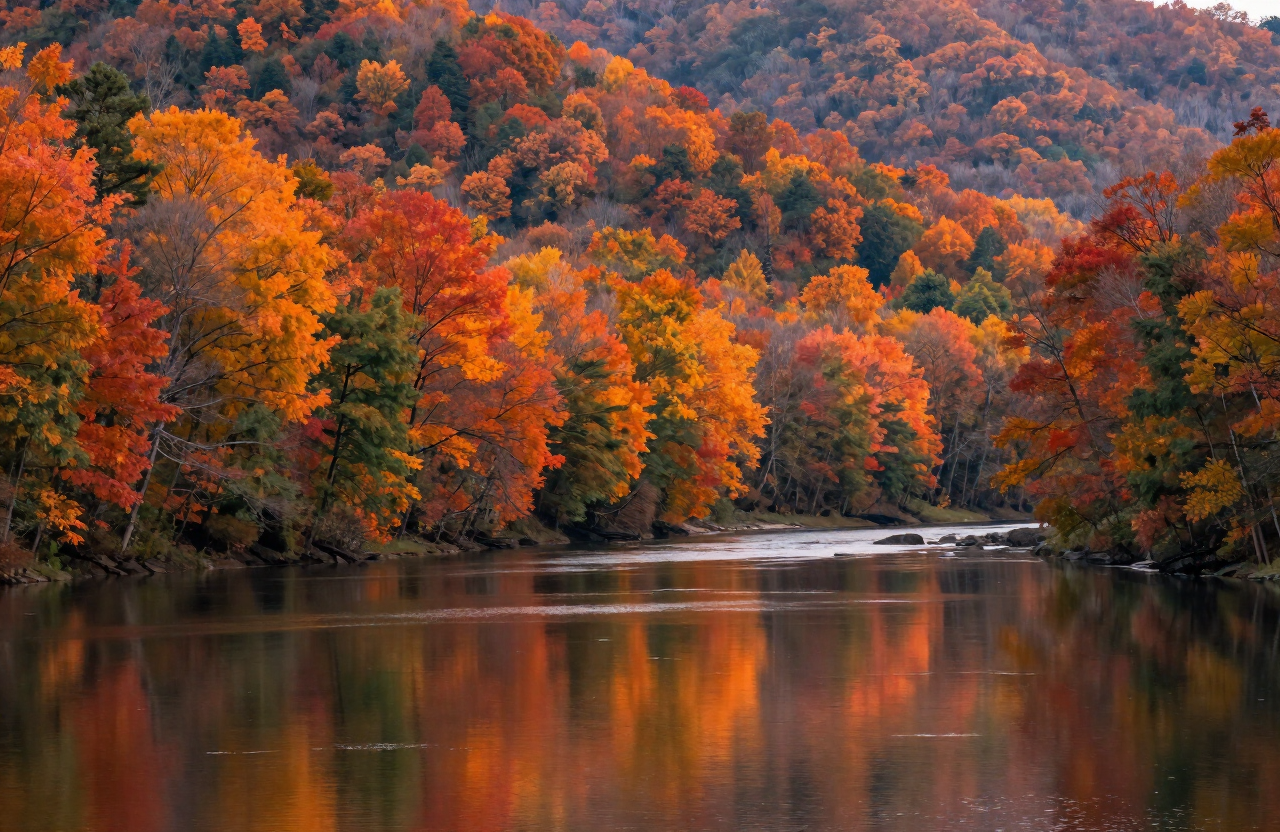
Allisonia
Near the trail's eastern end, Allisonia gives anglers access to deeper, slower pools. The mix of current and calm holds walleye and catfish, and the surrounding farmland makes for a peaceful, scenic setting.
What Makes the New River Special?
Geologists believe the New River is one of the oldest rivers in North America — older than the mountains it flows through. That ancient path has carved a corridor of varied habitat: boulder-strewn riffles, deep limestone pools, gravel bars, and slow, weedy margins.
This variety is what makes the fishery so productive. Different species favor different parts of the river, so an angler can target smallmouth bass in a rocky run in the morning and work a deep pool for walleye or catfish by evening — all within a few miles of trail.
Because the trail follows the river so closely, you can scout water on foot or by bike before you ever string up a rod. Few fisheries pair this kind of access with this kind of scenery.
Fishing Throughout the Seasons
The New River fishes well in every season — you just have to adjust your approach. Here is what to expect as the year turns.
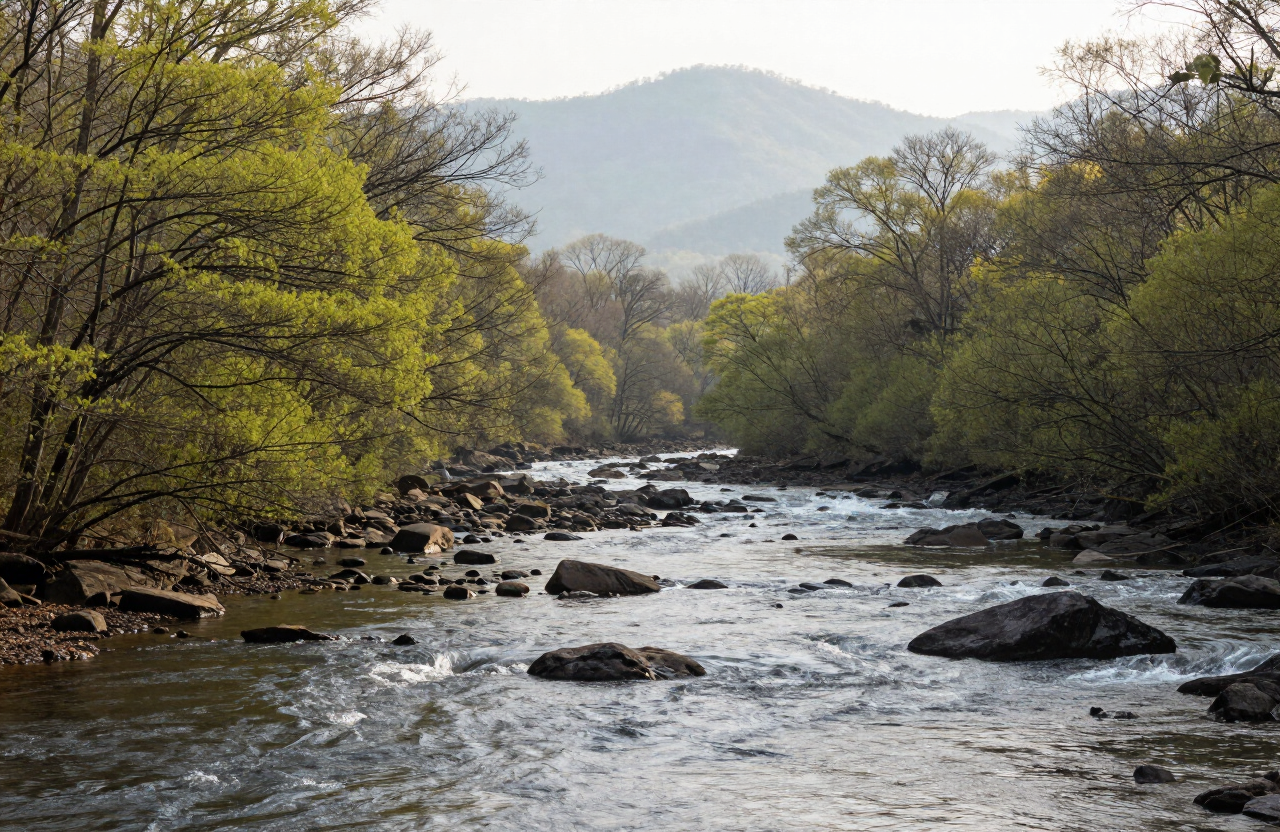
Spring
As water warms, smallmouth bass move into shallower runs and pre-spawn feeding patterns light up the river. Walleye action can be excellent in early spring, and panfish become active near shoreline cover. Watch water levels — spring rain can raise flows quickly.
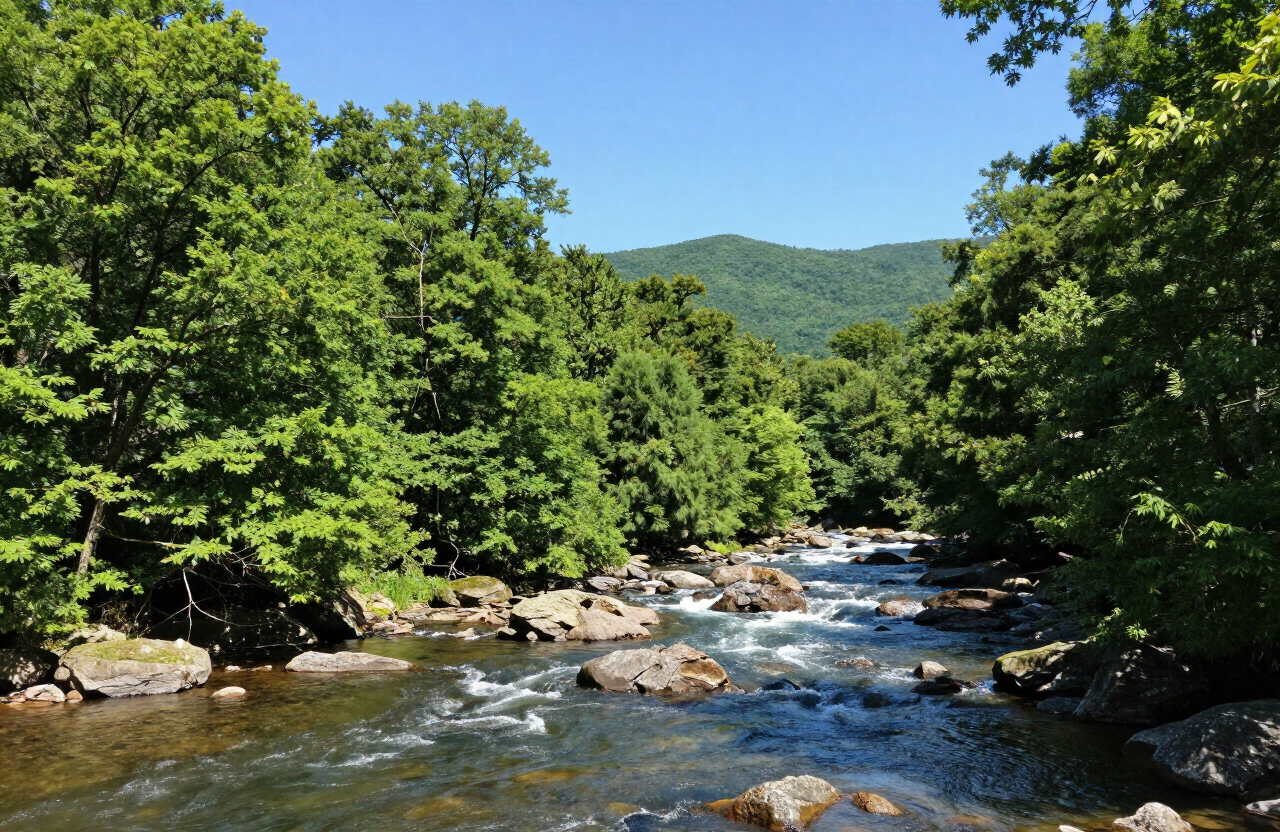
Summer
The classic New River season. Smallmouth bass feed aggressively through early morning and evening, and topwater action is at its best. Musky anglers target shaded cover and current seams. Plan around the heat of midday and carry plenty of drinking water.
Fall
Cooling water triggers some of the year's most reliable feeding. Bass and walleye bulk up before winter, and the river is less crowded. The autumn foliage along the trail turns every trip into a scenic event — bring a camera alongside your rod.
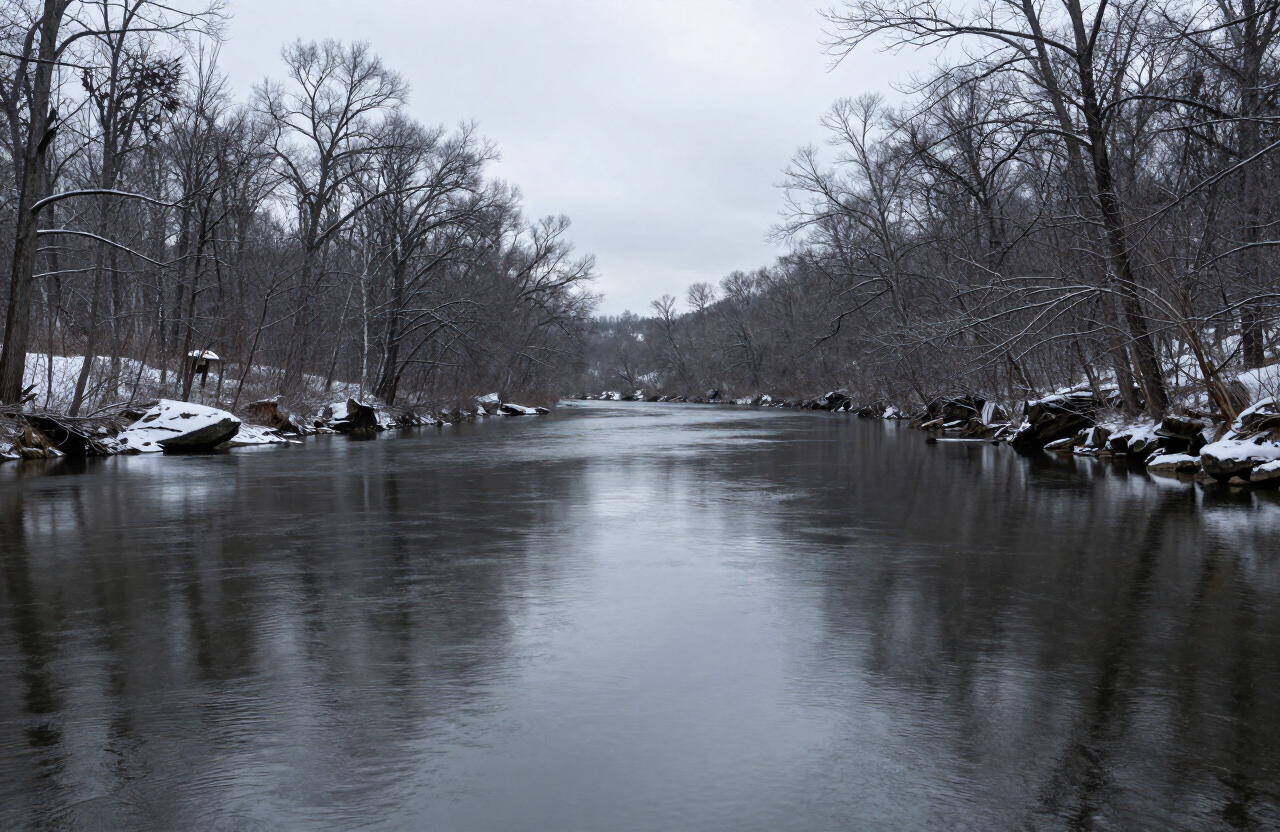
Winter
Fishing slows but does not stop. Walleye and musky can still be targeted in deeper, slower pools on mild days. Dress for cold, fish the warmest part of the afternoon, and always check conditions before wading — cold water demands extra caution.
Fishing From Shore, Kayak, or Boat
There is no single right way to fish the New River. Each approach opens up different water and suits a different kind of day.
From Shore
Bank fishing is the simplest way to start. Several trail access points put you within a short walk of fishable water, especially near Fries and Foster Falls. Look for rocky points, current seams, and eddies behind boulders. Always check footing and current strength before wading.
From a Kayak
A fishing kayak is one of the most popular ways to explore the river. It slips quietly into shallow water, reaches banks you cannot walk to, and lets you cover miles of river in a day. Launches at Foster Falls and other access points make put-in easy.
From a Boat
Small boats and canoes open up the deeper, slower pools downstream. The impounded sections above Foster Falls are well suited to a small motorized or paddle boat. Check ramp conditions and water levels before trailering a boat to the river.
Get Your Virginia Fishing License
A valid Virginia freshwater fishing license is required for most anglers 16 and older. Purchase one online in minutes through Go Outdoors Virginia, the state's official licensing portal, or review current license requirements with the Virginia Department of Wildlife Resources.
Plan Your Fishing Trip
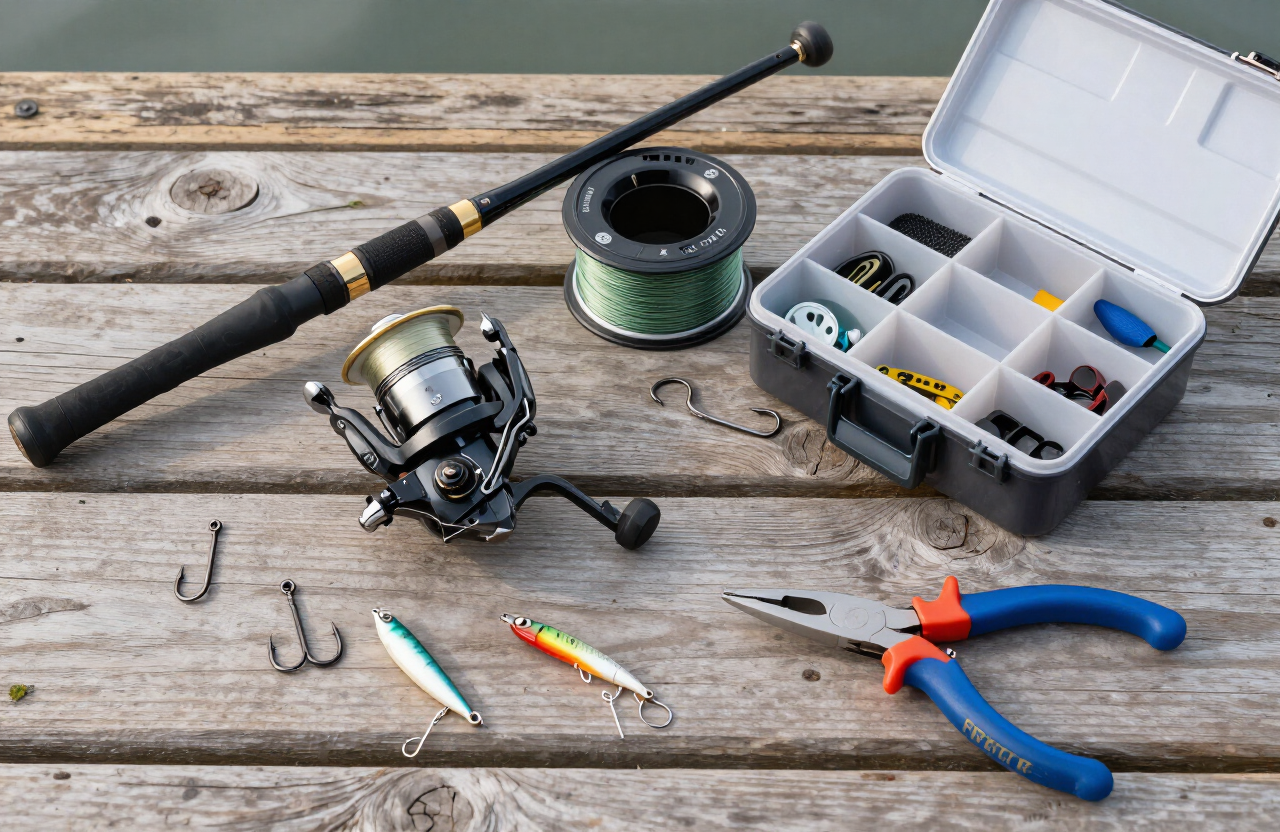
A little preparation goes a long way on the New River. Use this checklist and set of tips to make the most of your day, whether it is your first visit or your fiftieth.
Trip Checklist
- Valid Virginia freshwater fishing license
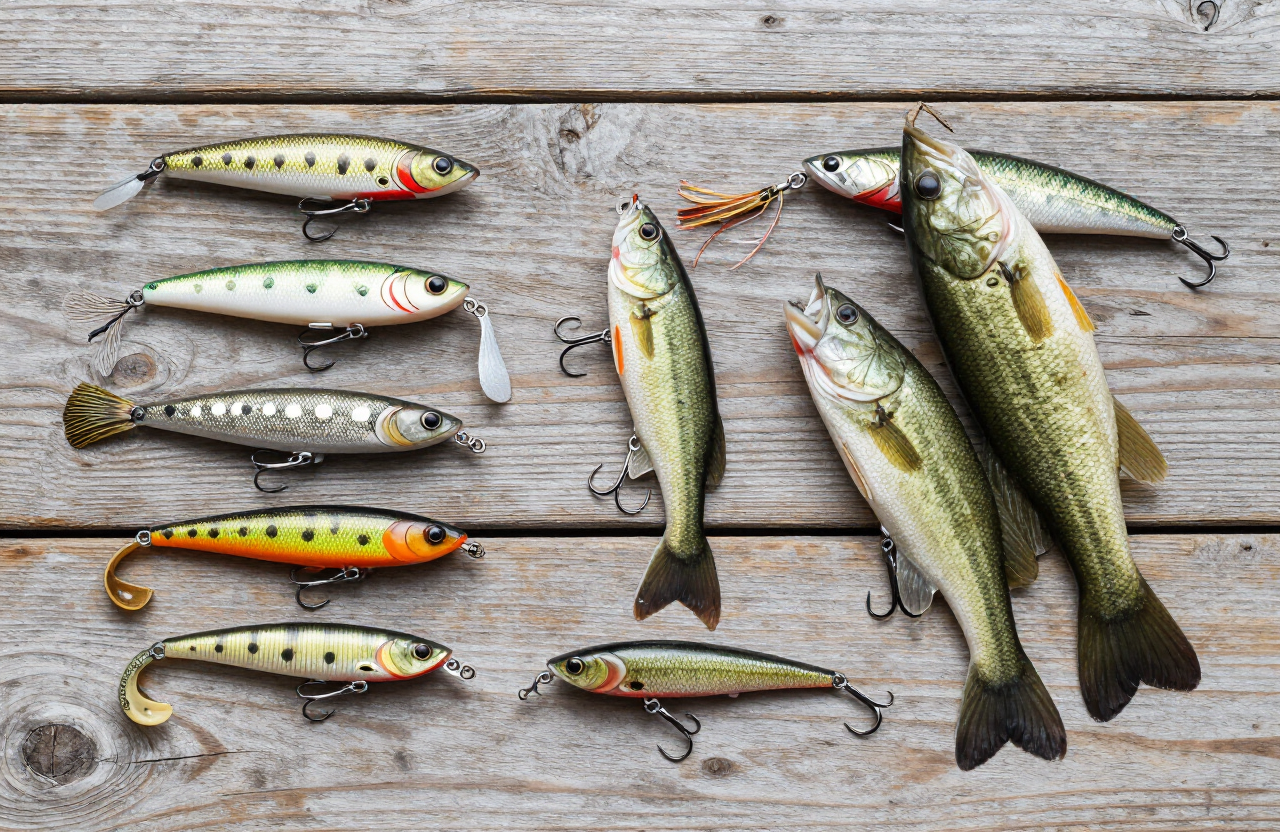
- Species-appropriate rods, reels, and tackle
- Polarized sunglasses to read the water
- Personal flotation device for wading or boating
- Wading staff and water-resistant footwear
- Drinking water, food, and snacks
- Sunscreen and insect repellent
- Rain jacket and layered clothing
- First-aid supplies and trash bags
- Downloaded offline maps (cell service is spotty)
Tips for a Better Day
- Check river levels and weather upstream before you go — the New River can rise quickly after rain.
- Fish early and late in summer; midday action slows in the heat.
- Practice catch-and-release to help keep the fishery healthy for future anglers.
- Confirm current size and creel limits with Virginia DWR before keeping any fish.
Helpful Resources for Your Fishing Trip
Bookmark these official and local resources to plan a safe, legal, and rewarding day on the New River.
Virginia Fishing License
Purchase your Virginia freshwater fishing license online through Go Outdoors Virginia, the state's official licensing portal.
Virginia Fishing Regulations
Current size and creel limits, seasons, and rules from the Virginia Department of Wildlife Resources.
Virginia Department of Wildlife Resources
The state agency that manages Virginia's fisheries — your main resource for fishing information, updates, and announcements.
River Conditions & Weather
Check real-time streamflow and water levels for the New River near Galax before you head out, and review the local forecast.
Local Fishing Guides
Hire a professional guide for a guided smallmouth bass or musky trip on the New River with New River Outdoor Co.
Boat Launch Information
Find public boating access sites and boat ramps throughout Virginia, managed by the Virginia DWR.
Leave No Trace Principles
Follow the seven Leave No Trace principles to protect the river and trail for the anglers and visitors who come after you.
New River Trail State Park
Official park information, amenities, hours, and livery details for New River Trail State Park from Virginia State Parks.
Kayak & Canoe Rental Services
Rent kayaks, canoes, and tubes with shuttle service from New River Outdoor Adventures, located on the New River Trail near Fries.
Fishing Tackle Shops
Stock up on live bait, tackle, and supplies — and pick up a fishing license — at New River Outdoor Adventures on Fries Road in Galax.
Coming Soon
This fishing guide is the foundation for a growing library of detailed resources. Watch for these in-depth guides as we expand the section.
Explore More of the New River Trail
Ready to Cast a Line?
Pair your fishing day with a ride on the trail, a walk through Fries, or a scenic drive along The Crooked Road. The New River is waiting.