
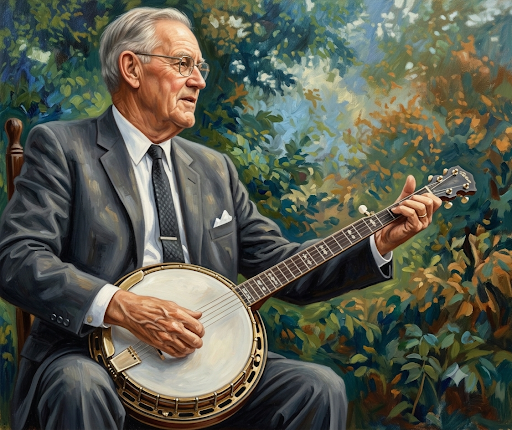
Dock Boggs: The Blues Banjo Voice of the Coalfields
From the coal mines of Norton, Virginia — an Appalachian banjo master who blended mountain ballads with African American blues, vanished for thirty years, and returned to shape the folk revival.
Born
Norton, Wise County, Virginia (1898)
Instrument
Banjo — blues up-picking style
1920s Sides
12 commercial recordings (1927–1929)
Worked
Coal miner, Wise County coalfields
Early Life in the Norton Coalfields
Dock Boggs was born Moran Lee Boggs in 1898 in Norton, Virginia, the seat of Wise County in the rugged coalfields of Southwest Virginia. His father was a carpenter, blacksmith, and singer — a working man of the mountains who passed a love of song down to his son.
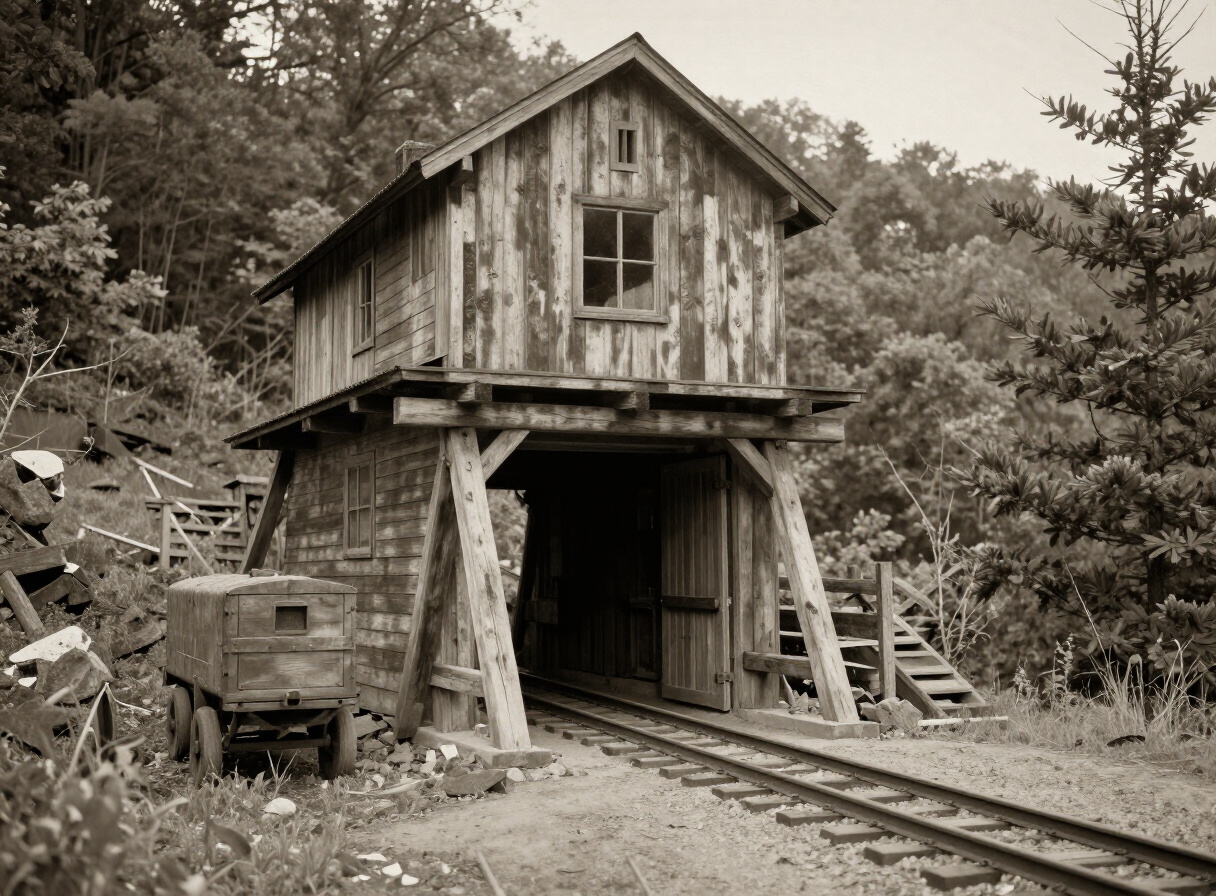
Life in the Wise County coal camps was hard and began early. By age twelve, Boggs was working in the coal mines himself, one of countless children who labored underground in the Appalachian coal boom of the early twentieth century. The mines, the railroad, and the company towns formed the whole world of his youth.
Music was woven through that world. Boggs learned banjo and song from family members and from the Black musicians who worked alongside white miners in the coal camps — a cross-racial exchange that was common in the region’s rail and mining communities and that would shape his sound for the rest of his life.
A Unique Musical Style
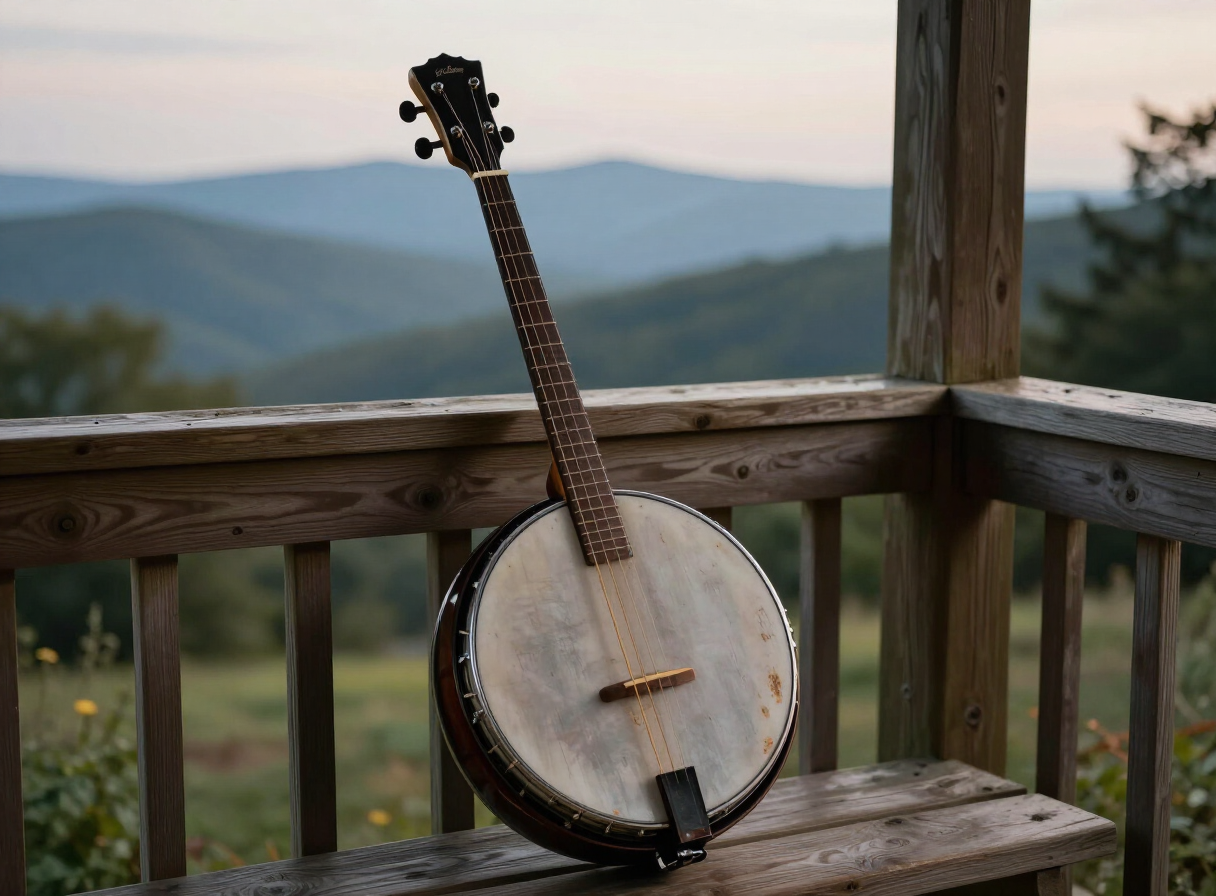
What set Dock Boggs apart was a banjo style that did not sound like other banjo players. He used an up-picking technique that, instead of the rhythmic clawhammer stroke most mountain players used, resembled the phrasing of blues guitar — pulling melody and emotion out of each note rather than driving a dance rhythm.
He learned this approach from both family members and the Black musicians he encountered in the coal camps, absorbing the African American blues that traveled through the region’s rail and mining communities. He then married it to the old English, Scottish, and Irish ballads that had lived in the mountains for generations.
The result was a sound no one else quite matched: stark, lonesome, and emotionally raw. Boggs tuned his banjo to suit the mood of each song, and his singing — high, strained, and haunted — sat on top of that tuning like a voice calling across a hollow. He was, in effect, playing the banjo the way a bluesman plays a guitar, and singing over it the way a ballad singer tells a story.
A Recording Career, 1927–1929
Boggs’s chance came in 1927, when Brunswick Records held auditions at the Norton Hotel in his hometown. Selected from the local talent, Boggs traveled to New York City to make his first commercial records — a long journey from a Wise County coal camp to a Manhattan recording studio.
Over the next two years he recorded only twelve commercial sides — a small but extraordinary body of work that included “Sugar Baby,” “Country Blues,” “Pretty Polly,” “Danville Girl,” “Little Omie Wise,” “New Prisoner’s Song,” “Down South Blues,” and “Wild Bill Jones.” These recordings captured a banjo style and a vocal intensity that set him apart from every other musician of the early country boom.
His sessions belong to the same explosive moment that produced the Bristol Sessions of 1927, when producer Ralph Peer recorded The Carter Family and Jimmie Rodgers just down the road. Boggs never found their commercial success, but the records he left behind would prove far more durable than their sales suggested.

Signature Songs
From his 1920s commercial sides to his later Smithsonian Folkways recordings, these are the songs that define Dock Boggs’s legacy — ballads, blues, and spirituals carried through the coalfields.

Rediscovery During the Folk Revival
When the Great Depression devastated the recording industry and the coal communities that sustained it, Boggs’s brief recording career ended. He returned to the mines and abandoned professional music for over thirty years, his twelve 1920s sides fading into obscurity.
Then, in 1963, folklorist and musician Mike Seeger tracked Boggs down in Norton. Seeger had been searching for the voice behind those old records, and when he found the former miner still living in the Wise County coalfields, he convinced him to pick up the banjo again.
Boggs emerged into the folk revival of the 1960s, performing at festivals and recording several acclaimed albums for Smithsonian Folkways: Legendary Singer and Banjo Player, Dock Boggs Vol. 2, and Dock Boggs Vol. 3. A coal miner who had vanished for a generation became, in his final years, one of the most revered figures in American folk music.
Influence on American Music
Dock Boggs’s blues-inflected banjo and stark singing reached across generations, shaping old-time, bluegrass, and contemporary Americana.
The folklorist who rediscovered Boggs in 1963 and whose own banjo playing was deeply shaped by Boggs’s up-picking style.
The bluegrass patriarch whose stark, lonesome banjo and vocal style drew directly on the Appalachian blues-banjo tradition Boggs helped define.
The Kentucky singer and banjo player whose “high lonesome” sound echoed Boggs’s blending of mountain ballad and blues.
The blind guitarist from Deep Gap, North Carolina, who carried the same Appalachian song tradition into a national career.
The guitarist and songwriter who helped bridge old-time and Americana, drawing on the repertoire Boggs recorded.
The singer-songwriter whose spare, haunting recordings channel the spirit of Boggs’s blues-inflected mountain music.
Welch’s musical partner, whose guitar work and songwriting carry forward the old-time aesthetic Boggs pioneered.
The MacArthur-winning musician who has spotlighted the African American roots of the banjo tradition Boggs drew from.
Connection to Southwest Virginia
Dock Boggs spent nearly his entire life in the coalfields of Wise County, Virginia. He was born in Norton, worked its mines as a child, was discovered at the Norton Hotel, and was rediscovered there decades later. The mountains, the coal camps, and the cross-racial musical exchange of the mining communities made him the musician he was.
Norton sits in the heart of the same Southwest Virginia region that the New River Trail runs through and that The Crooked Road — Virginia’s Heritage Music Trail — celebrates. The coalfields and the river valleys share one living musical tradition, and Boggs is one of its most distinctive voices.
Visitors exploring the region’s musical heritage can follow The Crooked Road from the New River Trail communities through the coalfield counties, hearing the old-time and bluegrass traditions that descended directly from the sound Boggs helped create. Read the broader story on the Old-Time Music in Southwest Virginia page.
A Lasting Legacy
Dock Boggs died on February 7, 1971 — his 73rd birthday — in the same Wise County coalfields where he was born. But the sound he created outlived him. His twelve 1920s recordings and his later Smithsonian Folkways albums became foundational documents of American folk music, studied and revered by generations of musicians.
His version of “Oh Death” is considered one of the most haunting performances in American folk music — a plea to the personified figure of death that captures the fatalism and faith of the mountain world he came from. His blues-inflected banjo style opened a door between old-time and blues that later musicians walked through again and again.
Norton, Virginia continues to celebrate his legacy through the annual Dock Boggs & Kate Peters Sturgill Festival, honoring Boggs and his fellow Wise County musician Kate Peters Sturgill. The festival keeps alive the community tradition that produced him — proof that in Southwest Virginia, the music never really left the mountains.
Did You Know?
- Dock Boggs’s real name was Moran Lee Boggs — “Dock” was a nickname.
- He went to work in the coal mines of Wise County at age twelve.
- He recorded only twelve commercial sides during the 1920s, all between 1927 and 1929.
- His up-picking banjo technique resembled blues guitar more than standard clawhammer banjo.
- He learned from both family members and Black musicians in the coal camps, blending mountain ballad with African American blues.
- After the Great Depression, he abandoned professional music for over thirty years and returned to coal mining.
- Folklorist Mike Seeger rediscovered him in Norton in 1963 and brought him back to performing.
- He recorded acclaimed albums for Smithsonian Folkways, including Legendary Singer and Banjo Player.
- His version of “Oh Death” is considered one of the most haunting performances in American folk music.
- He died on February 7, 1971 — his 73rd birthday.
- Norton, Virginia honors him with the annual Dock Boggs & Kate Peters Sturgill Festival.
Explore More
Old-Time Music in Southwest Virginia
Henry Whitter, G.B. Grayson & more
The Crooked Road
Virginia’s Heritage Music Trail
Ralph Stanley
Bluegrass patriarch shaped by the same banjo tradition
Doc Watson
Flatpicking legend of the same Appalachian song tradition
The Bristol Sessions
The 1927 sessions of Boggs’s recording era
Pop Stoneman
Pioneer of the same early country recording boom
Places to Visit Nearby
The city where Dock Boggs was born and lived nearly his entire life in the coalfields, and home of the annual Dock Boggs & Kate Peters Sturgill Festival.
Visit websiteVirginia’s Heritage Music Trail connecting the venues and communities where the old-time tradition Boggs helped shape is still played live.
Learn moreThe broader story of how the river, the railroad, and the Washington Mill helped shape American country music.
Learn moreA museum dedicated to the bluegrass legend whose banjo style descended from the same Appalachian blues-banjo tradition as Boggs.
Visit websiteThe oldest and largest old-time music gathering in the world, held each August in the same region Boggs called home.
Visit websiteA visitor center on the Blue Ridge Parkway celebrating the region’s living old-time and bluegrass traditions.
Visit websiteFrequently Asked Questions
Continue Your Appalachian Music Journey
Dock Boggs is one voice in the Southwest Virginia tradition that carried mountain music to the nation. Learn about his regional neighbors — the Henry Whitter and G.B. Grayson story from Fries, the Bristol Sessions that opened the recording boom, and the stars who emerged — Jimmie Rodgers and The Carter Family. Follow the story forward through Ralph Stanley, Doc Watson, Pop Stoneman, and today’s Eddie Bond and Martha Spencer.
And when you visit the region, ride the New River Trail and follow The Crooked Road into the coalfield counties where Boggs lived and played. The music he shaped is still being made there.
Plan Your Day Trip to Fries
Fries sits directly beside the New River, where the trail begins downtown and forested ridges rise beyond the water. It is close enough for a day trip from Winston-Salem, Greensboro, High Point and Mount Airy, and rewarding enough to feel like a genuine mountain getaway from Charlotte and the wider North Carolina Piedmont. Combine your activity with time beside the river, a walk through town and a look at the mill and railroad history that shaped the community. Check current trail conditions, weather and park notices before you travel.
Follow the Music Into the Coalfields
Ride the New River Trail and follow The Crooked Road into the Wise County coalfields where Dock Boggs was born, mined, and made his haunting music.