
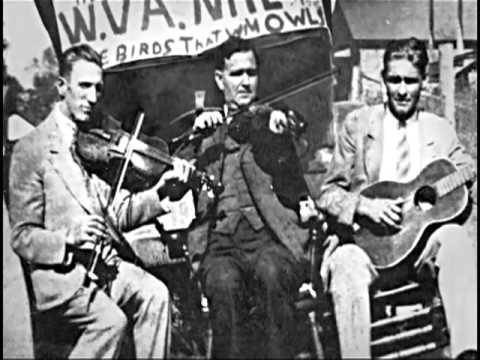
Blind Alfred Reed: The Voice of Appalachian Working People
From Floyd County, Virginia — a blind fiddler and songwriter who recorded at the 1927 Bristol Sessions and gave voice to the hardships of miners, farmers, and ordinary mountain people.
Born
Floyd County, Virginia (1880)
Sight
Blind as a young man
Instruments
Fiddle, Guitar, Vocals
Recordings
Victor Records, 1927–1929
Early Life in Floyd County
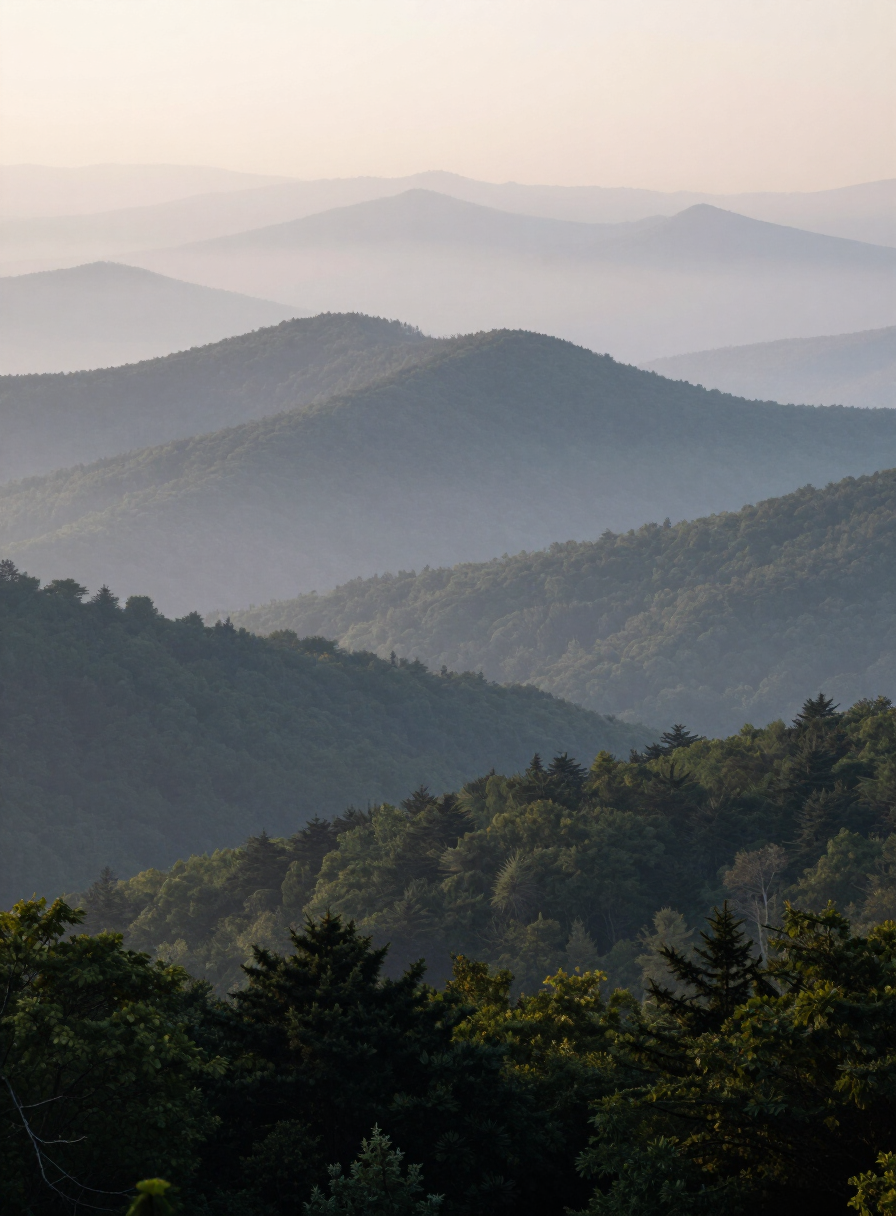
Blind Alfred Reed was born on June 4, 1880, in Floyd County, Virginia, a rugged Blue Ridge Mountain county in Southwest Virginia. Floyd County sits along the Blue Ridge Parkway and is part of the same broader Appalachian region the New River Trail runs through and that The Crooked Road celebrates today.
Reed lost his sight as a young man, likely in his twenties, and was blind for most of his adult life. Like many blind musicians of his era, he made his living through music, traveling the mountain communities of Southwest Virginia and southern West Virginia with his fiddle and guitar.
He eventually settled across the state line in the coalfields of southern West Virginia, around Princeton and Mercer County, where he worked as both a musician and a lay preacher — a combination common in Appalachian communities, where sacred and secular music lived side by side.

The 1927 Bristol Sessions
In the summer of 1927, producer Ralph Peer of Victor Records set up a temporary recording studio in Bristol, Tennessee/Virginia, seeking regional talent. Blind Alfred Reed was among the musicians who answered the call, traveling to Bristol to record alongside Jimmie Rodgers and The Carter Family.
Those sessions — now called the “Big Bang of Country Music” — launched the commercial country music industry. Reed recorded several sides for Victor during the 1927 sessions and returned for additional recordings in 1929, leaving behind a small but remarkable body of work. Read the full story in our guide to The Bristol Sessions.
Songs of Working People and Hard Times
What set Blind Alfred Reed apart from many of his contemporaries was the directness with which he wrote about the struggles of ordinary people. His best-known song, “How Can a Poor Man Stand Such Times and Live?” (1929), was written at the very onset of the Great Depression and lays out the everyday economic pressures facing working families — doctors’ bills, store prices, taxes, and the gap between wages and the cost of living.
He also wrote about mine disasters (“Explosion in the Fairmount Mines,” “The Dream of the Miner’s Buddy”), giving voice to the dangers faced by the coal miners who populated the same Appalachian region the New River Trail crosses today. Other songs offered social commentary (“Why Do You Bob Your Hair, Girls?”) or religious faith (“The Prayer of the Miner’s Children”).
That topical, working-class songwriting made Reed one of the most distinctive voices of the early country recording era — a documentarian of Appalachian life as much as an entertainer.
Signature Songs
Reed’s recordings range from economic protest and mine-disaster ballads to social commentary and gospel — a portrait of Appalachian working life in the 1920s.
A Lasting Legacy
Blind Alfred Reed died on January 17, 1956, in Princeton, West Virginia. He never lived to see the folk revival rediscover his recordings, but his songs found their way forward regardless. Ry Cooder recorded a celebrated version of “How Can a Poor Man Stand Such Times and Live?” on his 1970 album of the same name, and Bruce Springsteen adapted the song during his Seeger Sessions era, introducing Reed’s working-class songwriting to entirely new audiences.
In 2007, Reed was inducted into the West Virginia Music Hall of Fame, recognizing his role as a songwriter who documented the lives of Appalachian working people during the formative years of commercial country music.
His recordings remain a rare window into the social conscience of early country music — proof that the first generation of recorded Appalachian musicians were not only preserving old songs but writing new ones about the world changing around them. Read more about that broader story on the Old-Time Music in Southwest Virginia page.
Influence on American Music
Reed’s topical songwriting reached across decades, influencing folk and roots musicians who found in his work an early model of songs about economic justice and working-class life.
Connection to Southwest Virginia and the New River Trail
Blind Alfred Reed was born in Floyd County, Virginia, in the heart of the same Southwest Virginia mountain region the New River Trail runs through. Floyd County lies along the Blue Ridge Parkway and is an anchor stop on The Crooked Road, home of the famous Friday Night Jamboree at the Floyd Country Store.
Reed’s songs documented the lives of the coal miners, farmers, and mill workers who populated these mountains — the same communities the trail connects today. Visitors exploring the region’s musical heritage can follow The Crooked Road from the New River Trail communities through Floyd, Bristol, and the coalfield counties, hearing the living tradition Reed helped record.

Did You Know?
- Blind Alfred Reed was born in Floyd County, Virginia, in 1880, in the Blue Ridge Mountains of Southwest Virginia.
- He lost his sight as a young man and was blind for most of his adult life and recording career.
- He recorded at the historic 1927 Bristol Sessions, alongside Jimmie Rodgers and the Carter Family.
- His song “How Can a Poor Man Stand Such Times and Live?” was written at the onset of the Great Depression and later covered by Ry Cooder and Bruce Springsteen.
- He wrote about mine disasters, giving voice to the dangers faced by Appalachian coal miners.
- He worked as both a musician and a lay preacher in southern West Virginia.
- He was inducted into the West Virginia Music Hall of Fame in 2007.
- Floyd County, his birthplace, is an anchor stop on The Crooked Road and home of the Floyd Country Store Friday Night Jamboree.
Places to Visit Nearby
The county where Blind Alfred Reed was born in 1880, a Blue Ridge community along The Crooked Road and home of the Floyd Country Store Friday Night Jamboree.
Visit websiteWhere Reed made his historic 1927 recordings at the Bristol Sessions, alongside Jimmie Rodgers and the Carter Family.
Learn moreVirginia’s Heritage Music Trail connecting the venues and communities where the old-time tradition Reed helped record is still played live.
Learn moreA 57-mile rail trail through the same Southwest Virginia mountains whose working-class life Reed sang about.
Learn moreA National Park Service site celebrating the music of the Blue Ridge, near Reed’s Floyd County birthplace.
Visit websiteA Smithsonian Affiliate museum telling the story of the 1927 Bristol Sessions where Reed recorded.
Visit websiteFrequently Asked Questions
Continue Your Appalachian Music Journey
Blind Alfred Reed is one voice in the Southwest Virginia tradition that carried mountain music to the nation. Learn about his regional neighbors — the Henry Whitter and G.B. Grayson story from Fries, the Bristol Sessions where Reed recorded, and the stars who emerged — Jimmie Rodgers and The Carter Family. Follow the story forward through Ralph Stanley, Doc Watson, Pop Stoneman, Kelly Harrell, Dock Boggs, and today’s Eddie Bond and Martha Spencer.
And when you visit the region, ride the New River Trail and follow The Crooked Road through Floyd County, Reed’s birthplace. The working-class mountain life he sang about is still visible in the towns and hollows along the way.
Plan Your Day Trip to Fries
Fries sits directly beside the New River, where the trail begins downtown and forested ridges rise beyond the water. It is close enough for a day trip from Winston-Salem, Greensboro, High Point and Mount Airy, and rewarding enough to feel like a genuine mountain getaway from Charlotte and the wider North Carolina Piedmont. Combine your activity with time beside the river, a walk through town and a look at the mill and railroad history that shaped the community. Check current trail conditions, weather and park notices before you travel.
Follow the Music Through Floyd County
Ride the New River Trail and follow The Crooked Road through Floyd County, the birthplace of Blind Alfred Reed, and the living old-time music tradition of Southwest Virginia.