
The Story of Fries
River → Railroad → Washington Mill → Town → Music → New River Trail → Future
The story of Fries is a single thread you can follow across a field trip. Each chapter builds on the last, and each one is something students can see, ride, or hear for themselves. Use this page to frame the visit; follow the links into the deeper guides for the full history.
The River
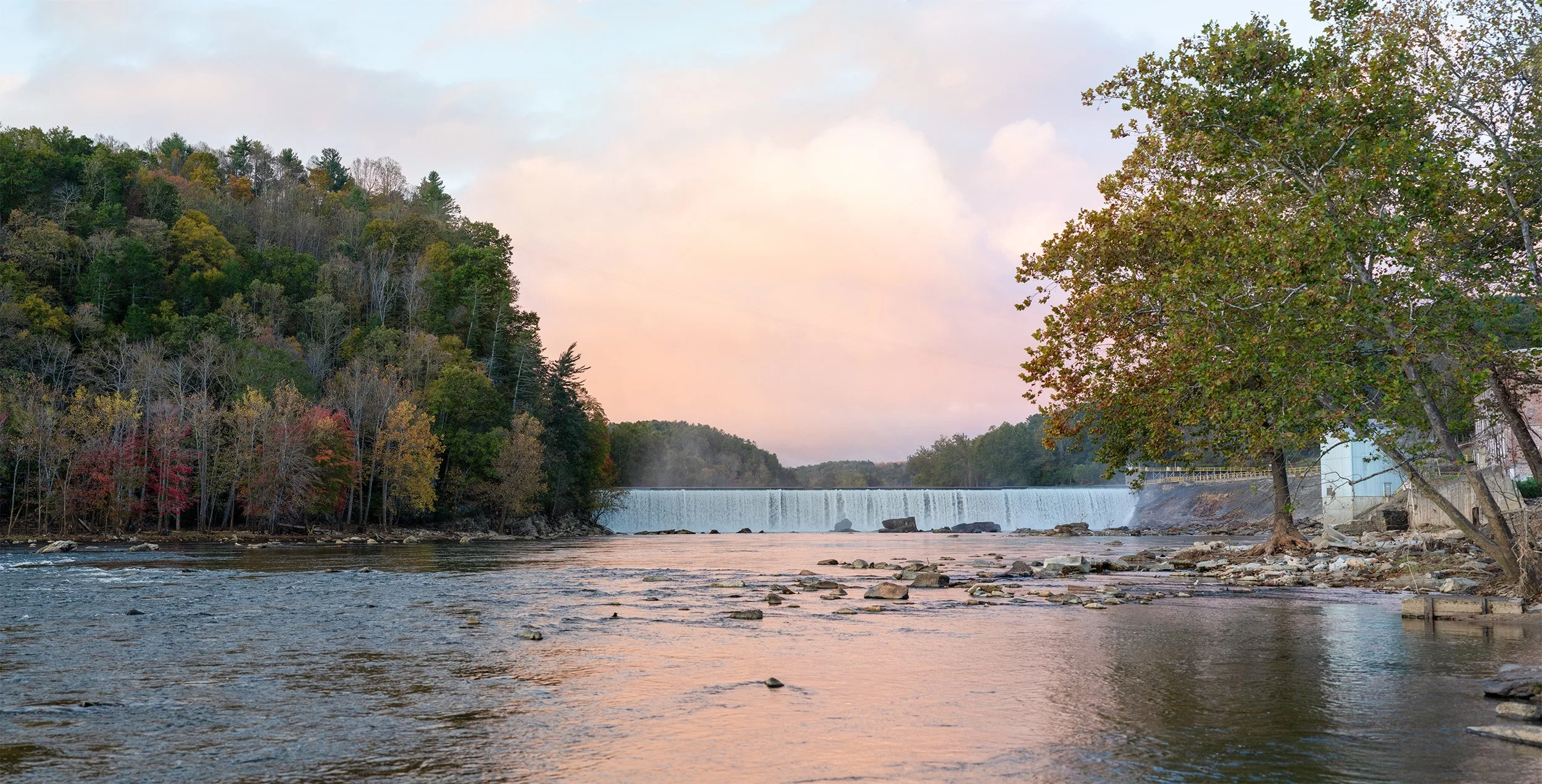
The New River is one of the oldest rivers in the world, and long before any town stood here it shaped who could live and work in this valley. Its current carved a path through the mountains and its water powered early industry. For students, the river is the first lesson in how geography sets the stage for everything that follows — settlement, power, transport, and eventually recreation.
The same river that drew mill builders to Fries more than a century ago is what draws cyclists, anglers, and families today. The trail never strays far from its banks.
The Railroad
In the late 1800s the Norfolk & Western Railway pushed into the mountains to reach coal, timber, and iron. A 5.5-mile branch line was built from the main route at Fries Junction directly to the new mill site, hauling raw cotton in and finished cloth out. The railbed had to stay flat and close to the river because heavy steam locomotives could not climb steep grades.
That engineering constraint is the reason the trail is so gentle today. Students can see — and ride — the practical geometry of railroad engineering turned into a recreational path.
The Washington Mill
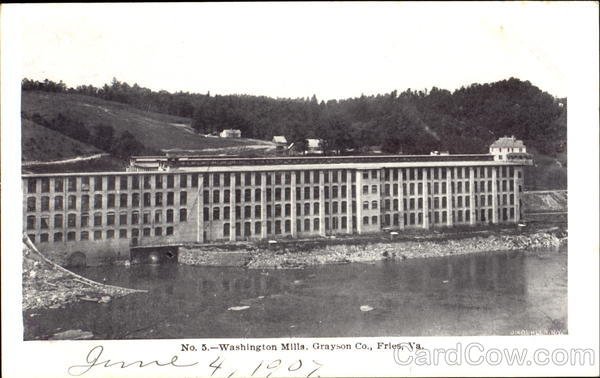
Opening in 1903, the Washington Mill was an industrial marvel powered by a hydroelectric dam on the river. It employed thousands of workers over more than eight decades and made Fries a classic company town — the mill company owned the houses, the store, the school, and the theater. The mill closed in 1989 as the American textile industry declined.
For a class studying industry, labor, or economics, Fries is a living case study in how a single employer can build — and then transform — a whole community.
The Town
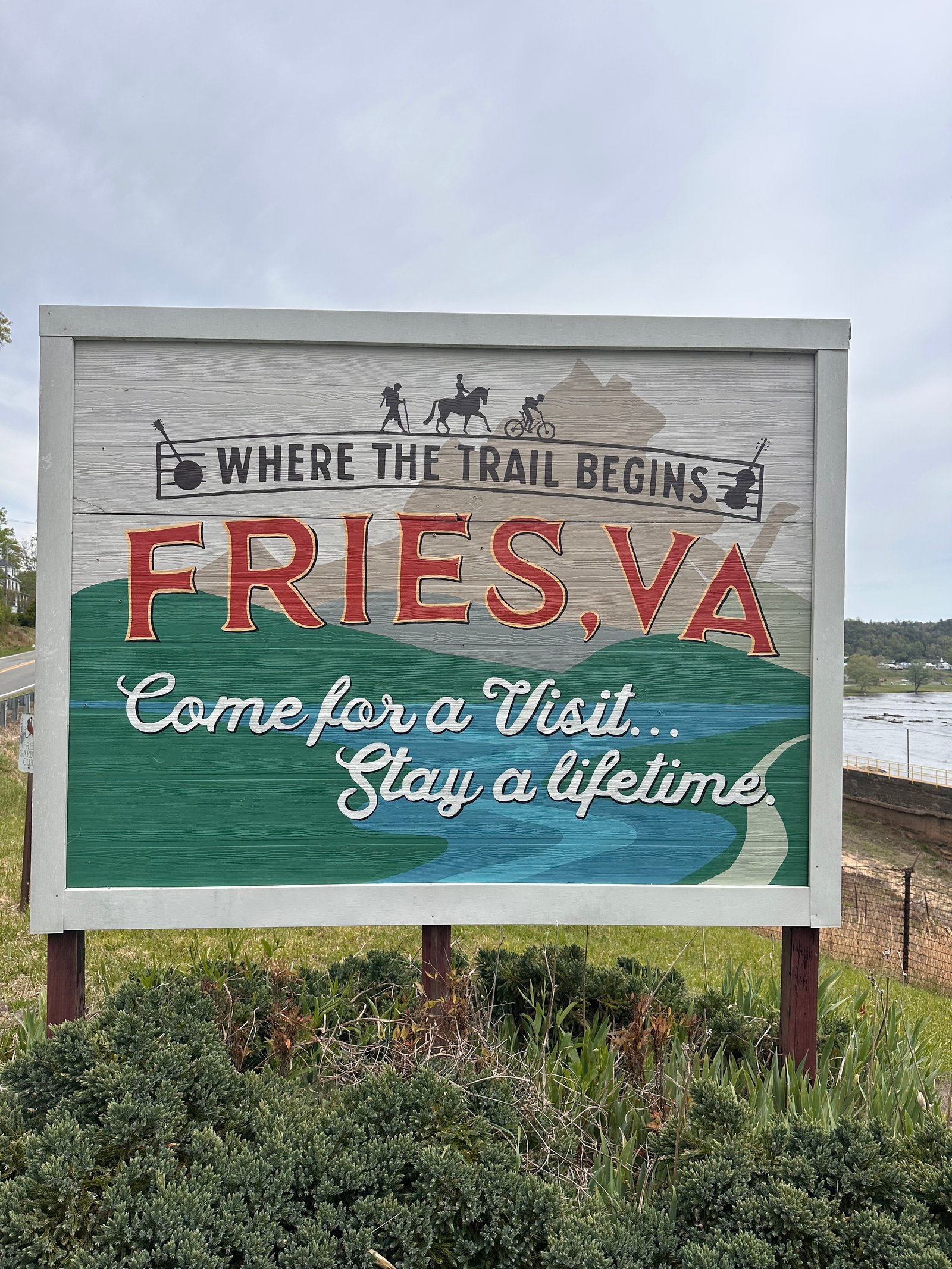
Fries was chartered in 1901 and grew around the mill and the rail. Generations of families lived and worked within walking distance of the looms. When the mill closed, the town did not disappear — it adapted, finding a new identity as the gateway to the New River Trail. Today Fries sits at mile 0 of the trail, with lodging, dining, and direct trail access.
A walk through town lets students read that transition in the buildings themselves: mill-era architecture beside trail-era businesses.
The Music
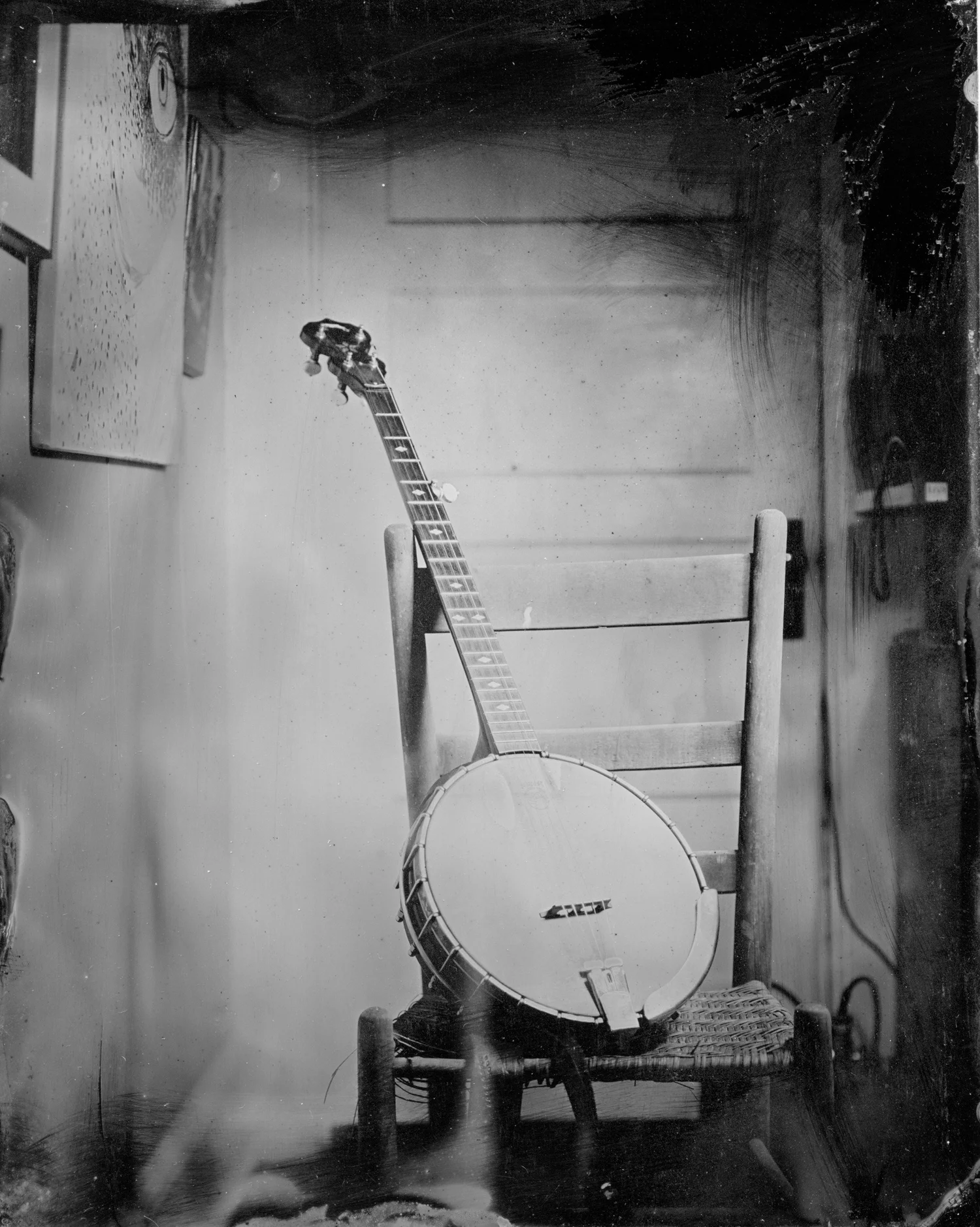
Mill workers and their families helped sustain the old-time music traditions of the region. Fries is associated with musicians who became important figures in early recorded country music, including Henry Whitter and G.B. Grayson. Nearby Galax grew into one of the centers of old-time and bluegrass music, home to the world’s oldest fiddlers’ convention.
For students, the music chapter shows how culture travels alongside industry — carried by working people into the recording age and onward into today’s heritage tourism.
The New River Trail
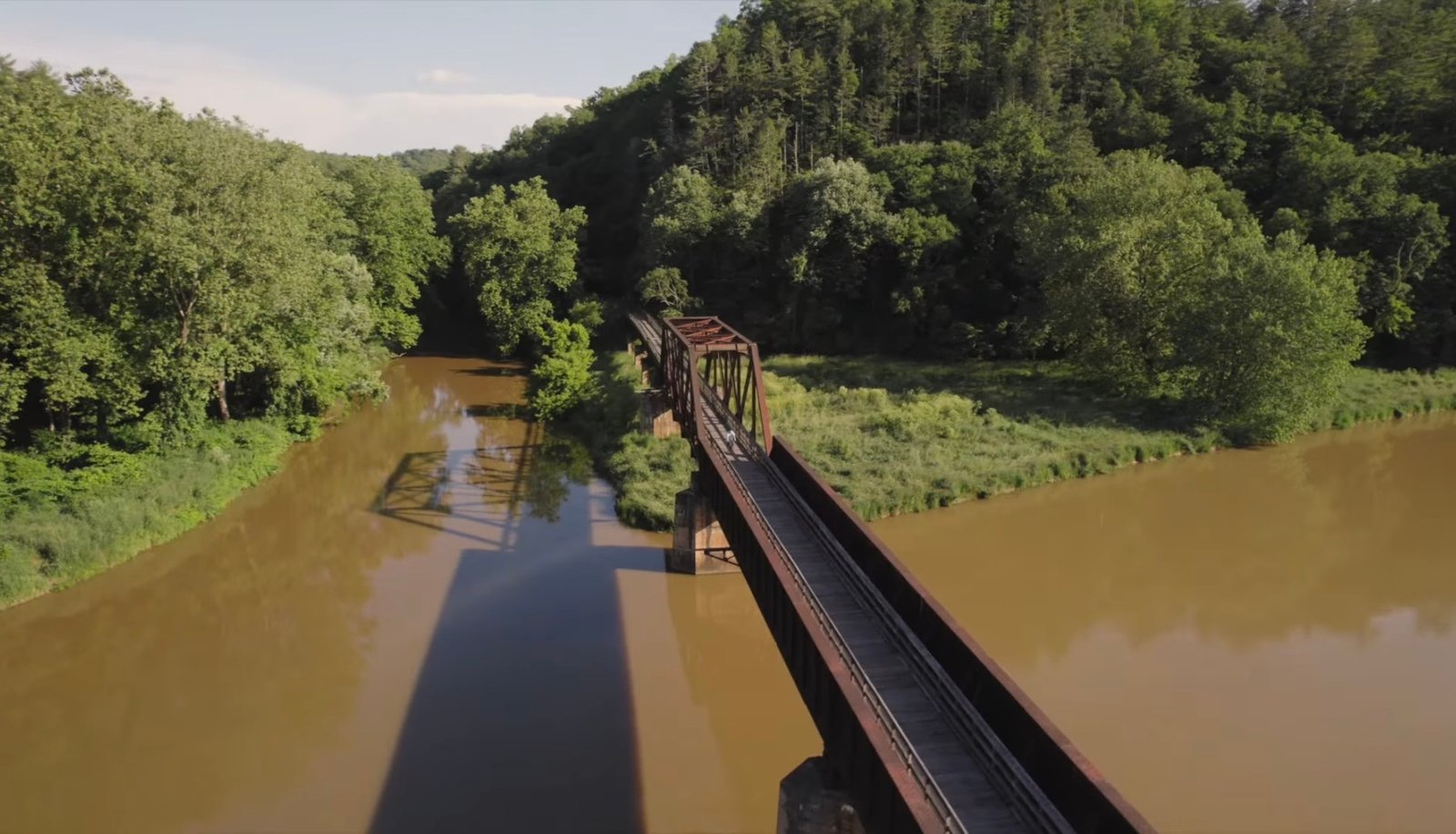
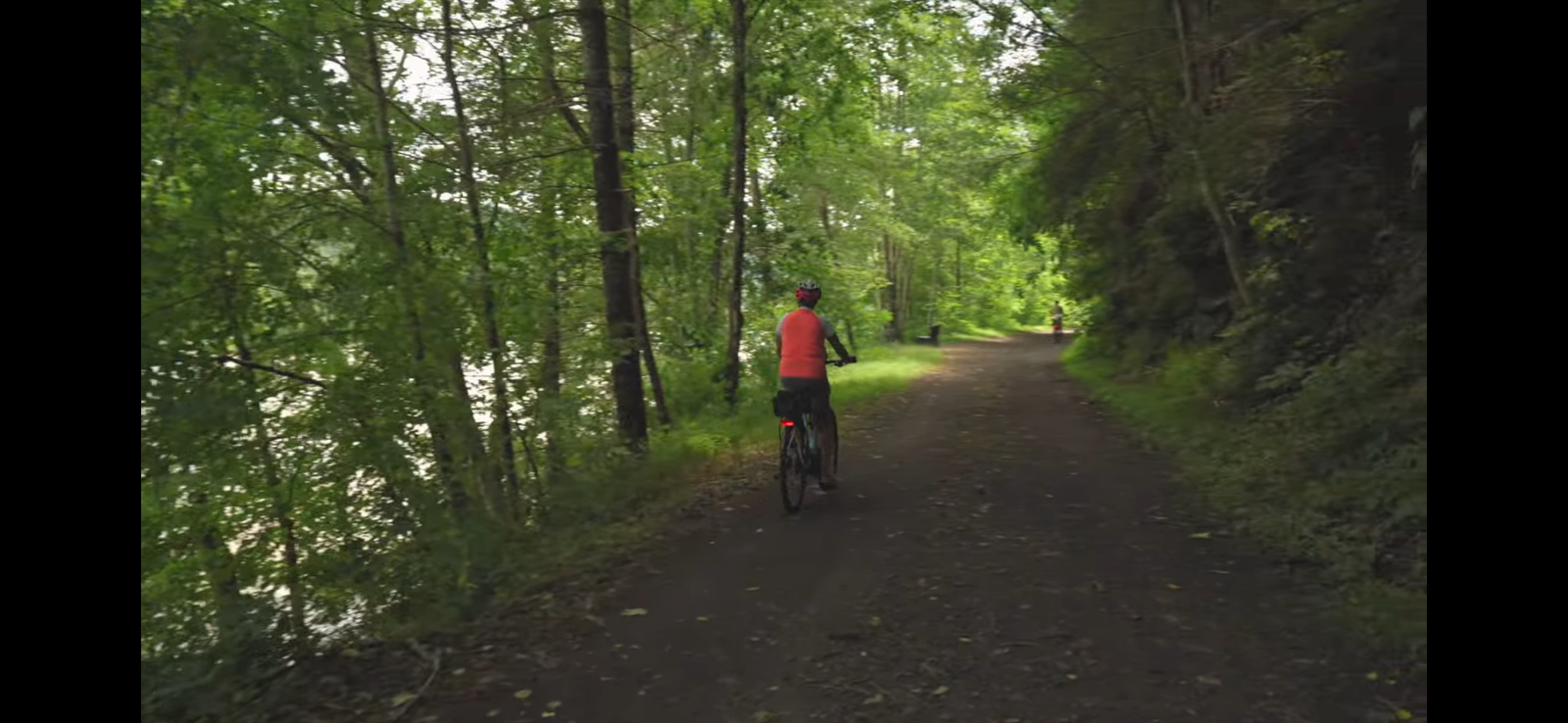
When the rail line was abandoned, the corridor was donated and transformed into a 57-mile rails-to-trails state park — one of the premier conversions of its kind in the United States. The bridges were built for steam engines; the tunnels were cut through rock for the trains. Students ride the literal infrastructure of an earlier economy.
This is the “Bike the Trail” half of the concept: the physical activity that makes the history tangible.
The Future
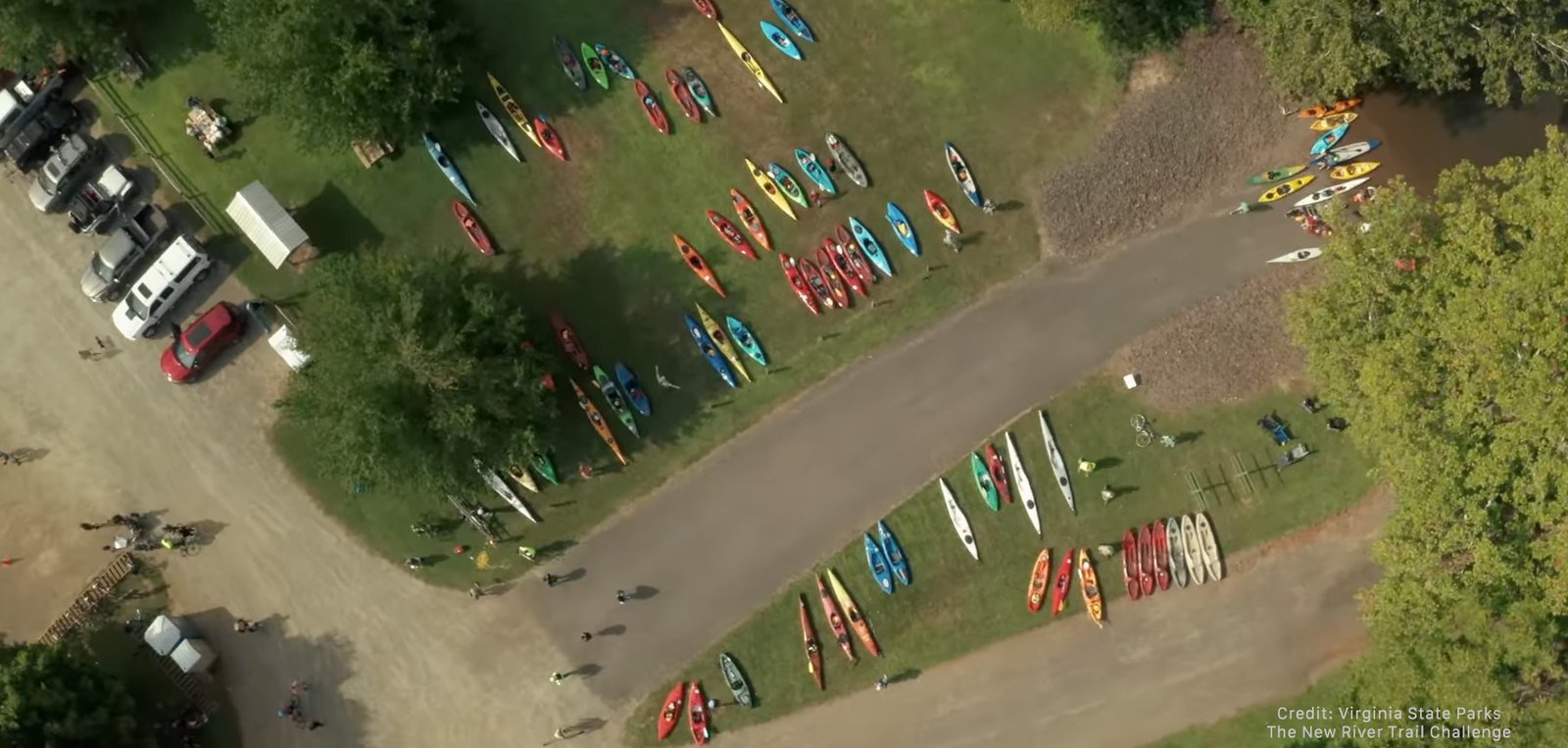
Today’s trail and heritage tourism represent another chapter in the economic story of Fries. A town built by a mill and a railroad is now sustained in part by visitors who come to ride, walk, fish, and listen. For students, that raises real questions: what does it mean for a community to reinvent itself, and what role does place and history play in a local economy?
This is the “Discover the Story” half: understanding that the trail is not just a path, but a continuation of a story still being written.
Turn the story into a visit
Programs are currently being developed for school and organized group visits. Contact us to discuss a future group experience.
Go Deeper
Keep going with these related New River Trail guides.